Development
January 12, 2024
Building Focus: Age-Appropriate Attention Span Activities
Understand typical attention spans by age and learn activities that naturally build concentration skills.
Dr. Emily Thompson
5 min read
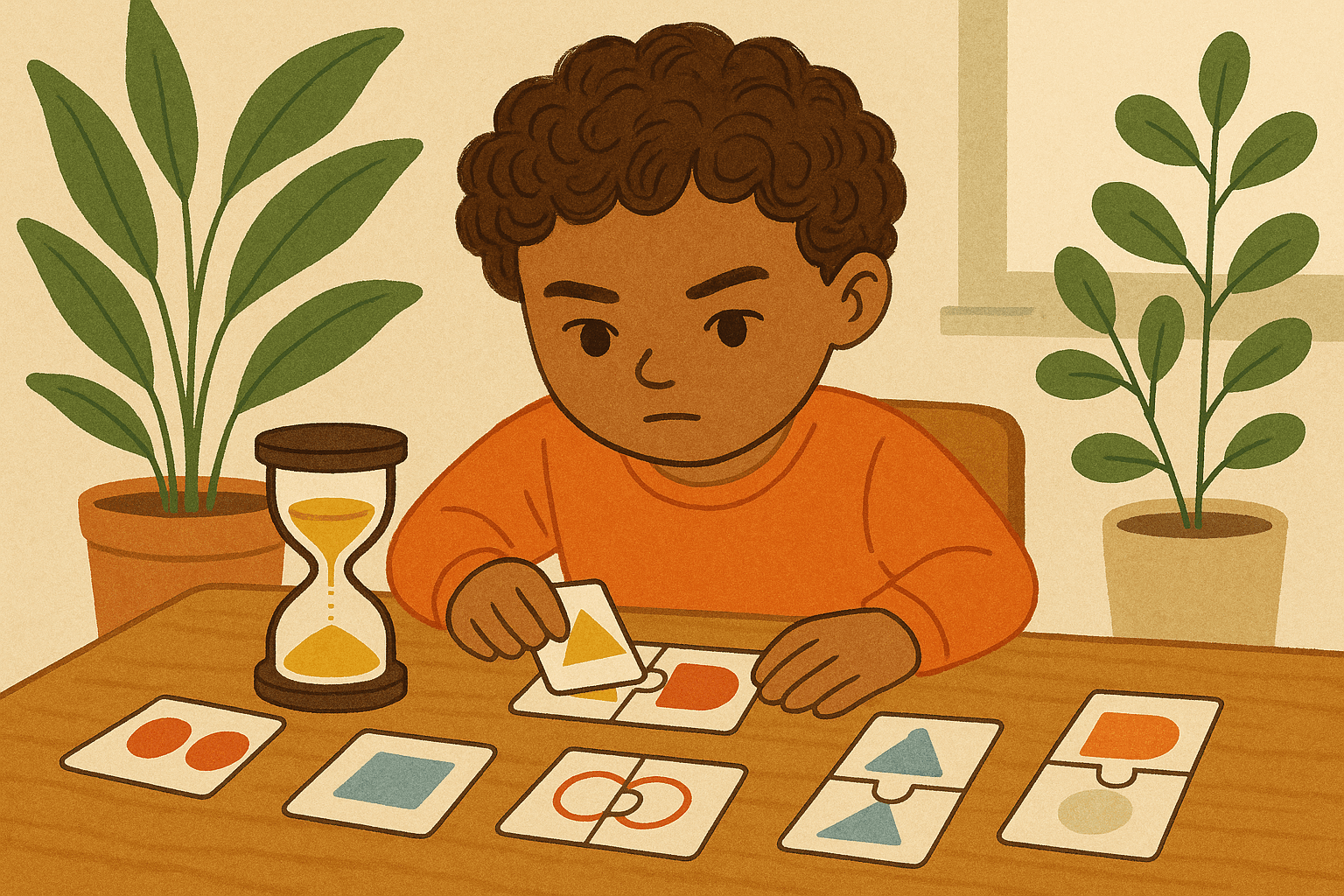
Understanding your child's attention span and how to gradually build it is key to successful learning. Here's what to expect and how to support development.
Typical Attention Spans by Age
- 2-3 years: 3-6 minutes on a single activity
- 4-5 years: 8-15 minutes on focused tasks
- 6-7 years: 15-20 minutes of sustained attention
- 8-9 years: 20-30 minutes of focused work
Factors Affecting Attention
Several factors influence attention span:
- Interest level in the activity
- Physical comfort and energy levels
- Environmental distractions
- Individual temperament and personality
Activities to Build Focus
For Toddlers (2-3 years)
- Simple puzzles with 3-5 pieces
- Building with large blocks
- Reading short picture books
- Playing with play dough
For Preschoolers (4-5 years)
- More complex puzzles (12-24 pieces)
- Art projects with clear steps
- Simple board games
- Storytelling with props
For Early Elementary (6-7 years)
- Longer art projects
- Science experiments
- Reading chapter books together
- Strategy games
Creating Focus-Friendly Environments
Set up your space to support concentration:
- Minimize visual and auditory distractions
- Provide comfortable seating
- Ensure good lighting
- Have materials easily accessible
Building Attention Gradually
Start with activities your child enjoys and gradually increase complexity:
- Begin with short sessions
- Add 2-3 minutes as they show readiness
- Provide breaks between focused activities
- Celebrate small improvements
Signs of Attention Development
Watch for these positive indicators:
- Completing tasks without reminders
- Returning to activities after breaks
- Showing interest in longer stories
- Engaging in complex play scenarios
When to Seek Support
Consider professional evaluation if your child:
- Cannot focus for age-appropriate durations
- Shows extreme distractibility
- Has difficulty following simple directions
- Struggles with transitions between activities
Remember, every child develops at their own pace. Focus on progress rather than comparing to others.
Tags:
AttentionFocusChild Development