Creativity
January 10, 2024
Encouraging Creative Storytelling in Young Children
Foster imagination and language development through creative storytelling techniques and activities.
Lisa Park, Creative Writing Teacher
6 min read
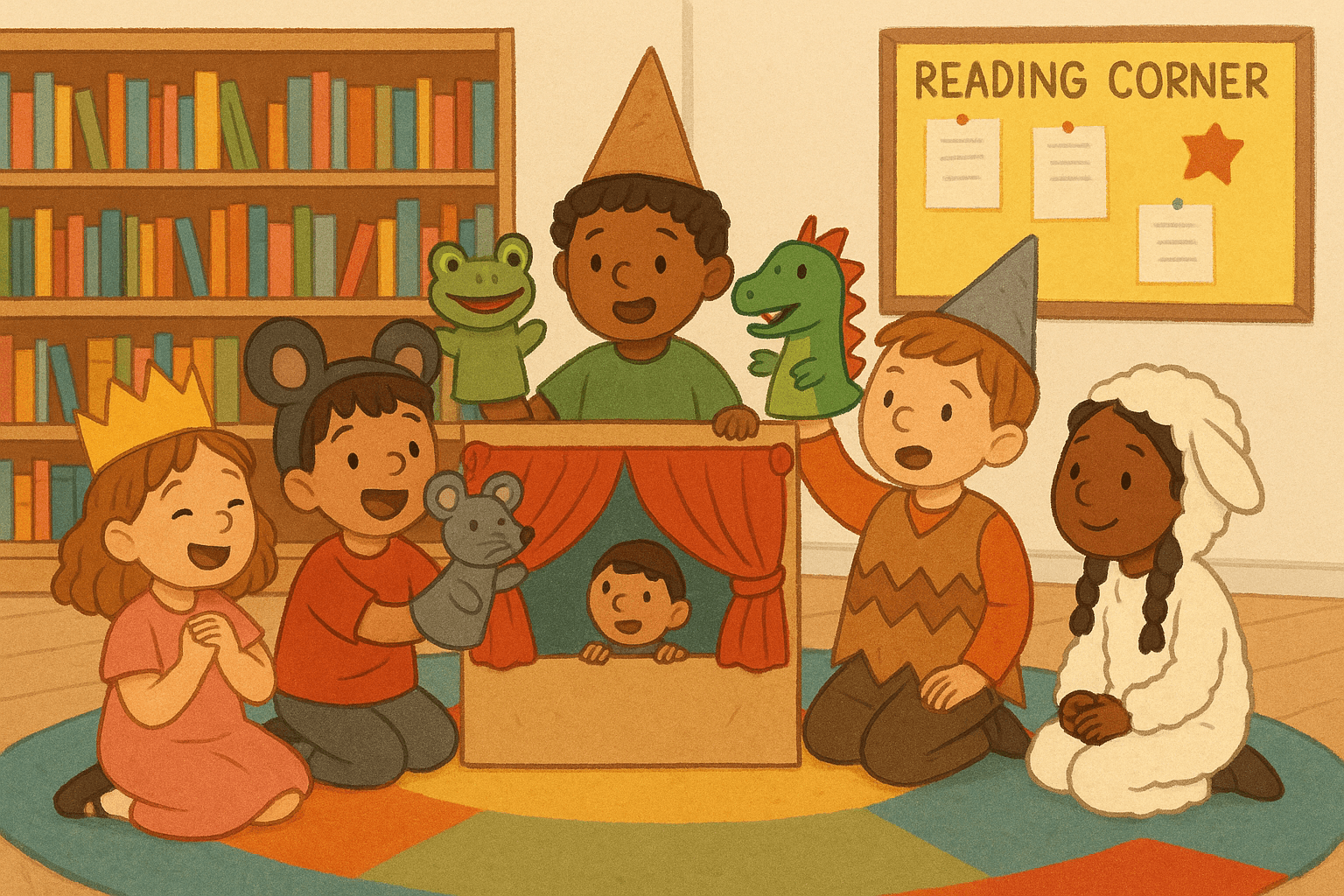
Storytelling is one of the most powerful tools for developing language skills, creativity, and emotional intelligence. Here's how to nurture your child's storytelling abilities.
Why Storytelling Matters
Creative storytelling helps children:
- Develop vocabulary and language skills
- Practice sequencing and logical thinking
- Express emotions and experiences
- Build confidence in communication
- Develop empathy and perspective-taking
Age-Appropriate Storytelling Activities
For Toddlers (2-3 years)
- Use picture books as prompts
- Encourage sound effects and gestures
- Ask simple "what happens next?" questions
- Create stories about daily routines
For Preschoolers (4-5 years)
- Use story starters and prompts
- Encourage character development
- Add props and costumes
- Create collaborative stories
For Early Elementary (6-7 years)
- Write simple stories together
- Use story maps and outlines
- Encourage descriptive language
- Create storybooks with illustrations
Storytelling Techniques
Picture Prompts
Use interesting images to spark stories:
- Ask "What do you see?"
- Encourage "What might happen next?"
- Discuss characters' feelings and motivations
Story Starters
Provide beginnings to inspire creativity:
- "Once upon a time, there was a..."
- "The magic door opened and..."
- "In the middle of the night..."
Character Development
Help children create interesting characters:
- Discuss what characters look like
- Explore their personalities
- Consider their motivations and goals
Building Story Structure
Teach basic story elements:
- Beginning: Introduce characters and setting
- Middle: Present a problem or challenge
- End: Resolve the problem or reach a conclusion
Using Props and Visual Aids
Enhance storytelling with:
- Puppets and stuffed animals
- Picture cards and story stones
- Costumes and dress-up clothes
- Art supplies for illustrations
Collaborative Storytelling
Create stories together:
- Take turns adding sentences
- Build on each other's ideas
- Encourage creative solutions
- Celebrate unique contributions
Recording and Sharing Stories
Preserve your child's stories:
- Write them down as they tell them
- Record audio or video versions
- Create illustrated storybooks
- Share with family and friends
Overcoming Common Challenges
Shy or Reluctant Storytellers
- Start with very simple prompts
- Use familiar characters and settings
- Provide lots of encouragement
- Make it a fun, pressure-free activity
Stories That Go On Forever
- Set gentle time limits
- Help identify natural ending points
- Guide toward resolution
- Celebrate completion
Repetitive Stories
- Introduce new elements gradually
- Suggest variations on familiar themes
- Expose children to diverse stories
- Encourage exploration of new ideas
Celebrating Creativity
Remember to:
- Praise effort and creativity
- Focus on the process, not perfection
- Display and share their stories
- Create a supportive environment
Storytelling is a skill that develops over time. Be patient and enjoy watching your child's imagination grow!
Tags:
StorytellingImaginationLanguage Development