Your Baby's First Year: A Month-by-Month Guide to Growth and Connection
The first twelve months of your baby's life are a whirlwind of growth and change. This evidence-informed guide offers practical, month-by-month insights into development, with tips on how to support your little one—and yourself—through this incredible journey.
The first year with your baby is a profound journey. It's a time of breathtaking transformation, where a tiny newborn blossoms into an active, communicative, and curious little person. While developmental timelines can vary widely, understanding the general patterns can help you tune into your baby's needs, celebrate their milestones, and nurture their growth with confidence and empathy. This guide focuses on the practical, everyday ways you can connect with and support your baby's development from month zero to month twelve.
The Foundational Principles: Connection and Observation
Before diving into month-by-month specifics, remember two core principles. First, secure connection is the ultimate developmental nutrient. Responsive care—meeting needs for food, comfort, and attention—builds the neural foundations for all future learning and emotional health. Second, your baby is an individual. Milestones are guides, not deadlines. Observe your baby's unique rhythms and interests; they are your best clues to their development. Your role is not to "train" them, but to provide a safe, loving, and stimulating environment for their natural growth to unfold.
Month 0-3: The Newborn Adjustment
Your baby is adapting to the world. Primarily, they need warmth, nourishment, and your calming presence.
Key Developments:
- Motor: Strong reflexive movements (grasping, rooting). Gradually gains head control during brief tummy time sessions.
- Sensory/Vision: Focuses best on faces 8-12 inches away. Startles at loud sounds. Recognizes your smell and voice.
- Social/Communication: Early smiles (often by 2 months). Communicates through cries, coos, and grunts. Begins to watch your face intently.
How to Support:
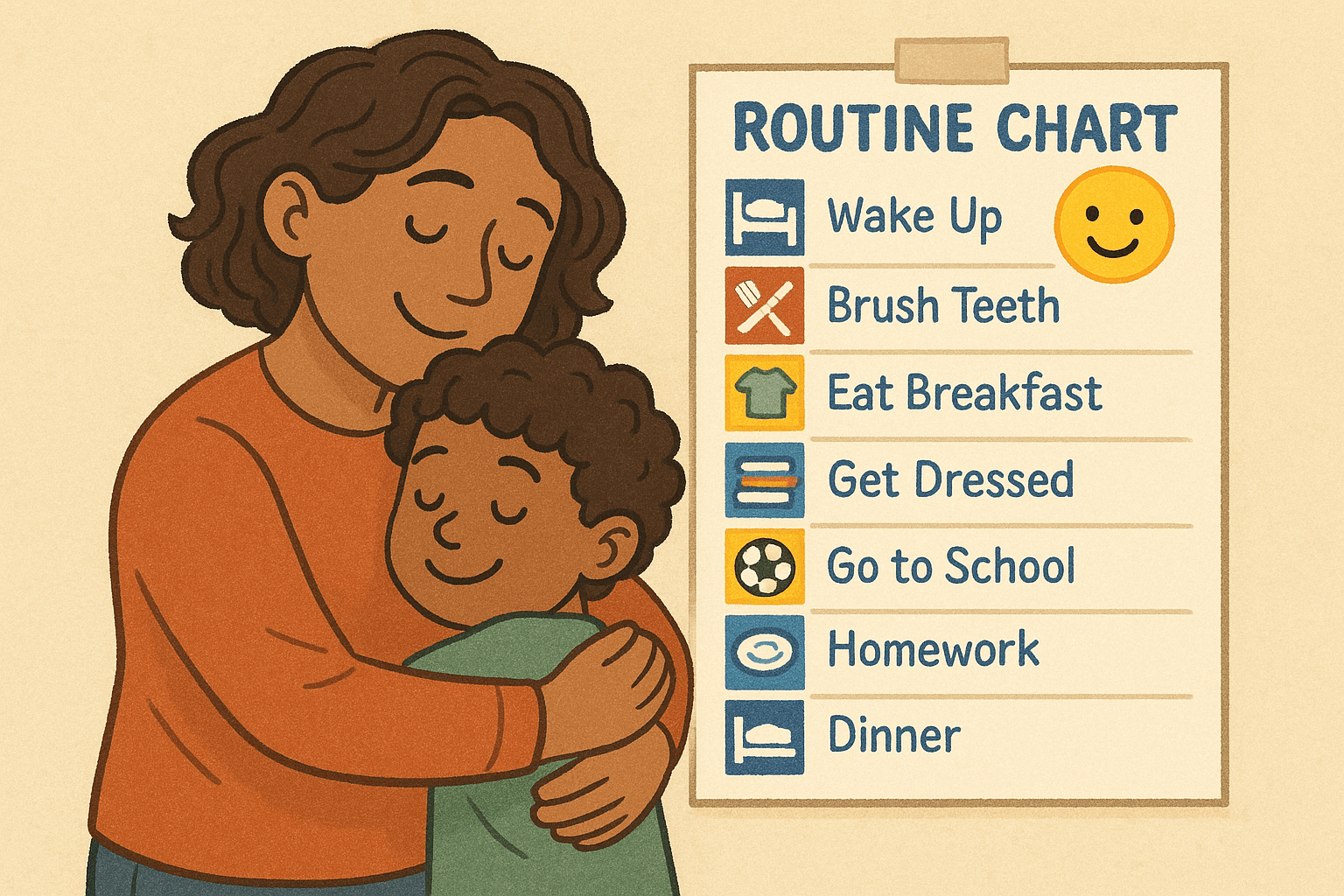
- Routine: Follow a loose "feed, sleep, diaper, cuddle" cycle. Prioritize responsive feeding.
- Play: Gentle tummy time on your chest or a firm surface for a few minutes several times a day. Sing, talk, and make eye contact. Show simple, high-contrast black-and-white images.
- What to Avoid: Overstimulation with loud noises or prolonged activity. Comparing sleep patterns rigidly to other babies. Forcing tummy time if they are intensely distressed; try shorter, more frequent sessions.
Month 4-6: Emerging Interaction
Your baby becomes more alert, interactive, and physically capable.
Key Developments:
- Motor: Rolls over (often front to back first). Sits with support. Reaches and grasps objects, may pass them between hands.
- Sensory: Eyes track moving objects. Explores objects with mouth and hands. Responds to varied tones of your voice.
- Social/Communication: Laughs, squeals. Babbles ("ba," "ma," "ga"). Clearly expresses joy and frustration. May show early recognition of familiar vs. unfamiliar people.
How to Support:
- Routine: More predictable nap schedules may emerge. Incorporate play after wake times.
- Play: Provide safe objects to grasp, shake, and mouth (different textures). Read simple books together. Support seated play with pillows or in your lap. Play peek-a-boo.
- What to Avoid: Leaving them in seated positions (like baby seats) for prolonged periods. Introducing solid foods before showing signs of readiness (good head control, interest in food) without consulting your pediatrician.
Month 7-9: Curiosity and Mobility
A period of increasing independence and exploration, often marked by the beginnings of mobility.
Key Developments:
- Motor: Sits independently. May begin crawling, scooting, or rolling to move. Uses pincer grasp (thumb and finger) to pick up small items.
- Cognitive: Understands object permanence (things exist even when hidden). May begin to solve simple problems, like how to reach a toy.
- Social/Communication: Responds to name. Uses gestures (pointing, waving). Babbles with more complex strings of sounds. May show anxiety around strangers.
How to Support:
- Routine: Establish consistent bedtime rituals. Offer solid foods as part of meal routines.
- Play: Create safe floor-exploring zones. Offer containers to fill and dump. Play hiding games with toys under a cloth. Name objects and people in your environment.
- What to Avoid: Overuse of restrictive equipment like walkers. Punishing normal exploratory behaviors like dropping things; redirect instead.
Month 10-12: Intentional Action and Communication
Your baby starts to act with clear goals and communicates more deliberately.
Key Developments:
- Motor: Cruises along furniture, may stand or walk independently. Climbs onto low surfaces. Precisely manipulates objects.
- Cognitive: Follows simple directions ("Give me the ball"). Imitates actions. Explores cause and effect vigorously.
- Social/Communication: Says first clear words ("mama," "dada," "no"). Uses communication to get needs met (points + vocalizes). Shows clear preferences and attachments.
How to Support:
- Routine: Offer choices within routines ("Which cup do you want?"). Maintain predictable daily rhythms for security.
- Play: Provide push/pull toys, stacking cups, simple shape sorters. Engage in pretend play (pretend to talk on a phone). Read interactively ("Where's the dog?").
- What to Avoid: Excessive pressure to "perform" like walking or talking. Neglecting safety as mobility skyrockets; childproof thoroughly.
A Quick Weekly Plan for Supporting Development
This flexible framework can be adapted to any stage:
- Daily: Responsive feeding/care, face-to-face talk and song, physical closeness (cuddles, carrying).
- 2-3 times/week: Dedicated, focused playtime based on current interests (e.g., water play, block stacking).
- Once a week: New sensory experience (different park, safe household item to explore).
- Continuous: Observation—watch what your baby is trying to do and figure out how to help them.
When to Seek Professional Guidance
Always consult your pediatrician or a child development specialist if you have concerns. General red flags include:
- No social smiling by 3 months.
- Persistent inability to make eye contact or track objects by 4-5 months.
- No rolling, sitting with support, or bearing weight on legs by 9 months.
- No babbling or response to sounds by 10 months.
- Extreme rigidity or floppiness in muscles.
- Significant loss of skills previously gained.
Remember, early intervention is supportive, not punitive. It's about getting the right help for your child.
FAQ
Q: My baby isn't meeting a specific milestone "on time." Should I worry?
A: Variation is normal. Focus on the trajectory of progress rather than a single date. If your baby is gaining new skills steadily, even if slowly, that's often a positive sign. Discuss any persistent, significant lags with your pediatrician for reassurance and guidance.
Q: How much "structured" play do they really need?
A: In the first year, very little. The most valuable "play" is your interactive engagement and allowing them to explore a safe environment. Structured activities are more for your inspiration than their necessity. Follow their lead.
Q: Is it bad to hold or carry my baby too much?
A: No. Responsive carrying and holding meets a core need for security and connection. It supports emotional regulation and, when done safely, can promote motor development by allowing them to experience your movement. Balance carrying with safe floor time for free exploration.
Your Role: The Gardener, Not the Architect
You are not building your baby like a blueprint. You are gardening—providing the nourishing soil (secure attachment), the sunlight (your loving attention), and the space (safe exploration) for their unique developmental seed to grow in its own beautiful way. Observe, enjoy, connect, and trust the process. The first year is just the beginning of a lifelong relationship.
Next Steps: Take a photo or make a note today about one tiny new thing your baby is doing. In one week, look back. You'll see growth. That observation is your most powerful tool.