Raising Readers: How to Cultivate a Lifelong Love of Books in Your Child
Reading isn't just about decoding words—it's about opening doors to imagination, empathy, and understanding. This guide offers practical, age-sensitive strategies to help your child build a positive relationship with reading that lasts a lifetime.
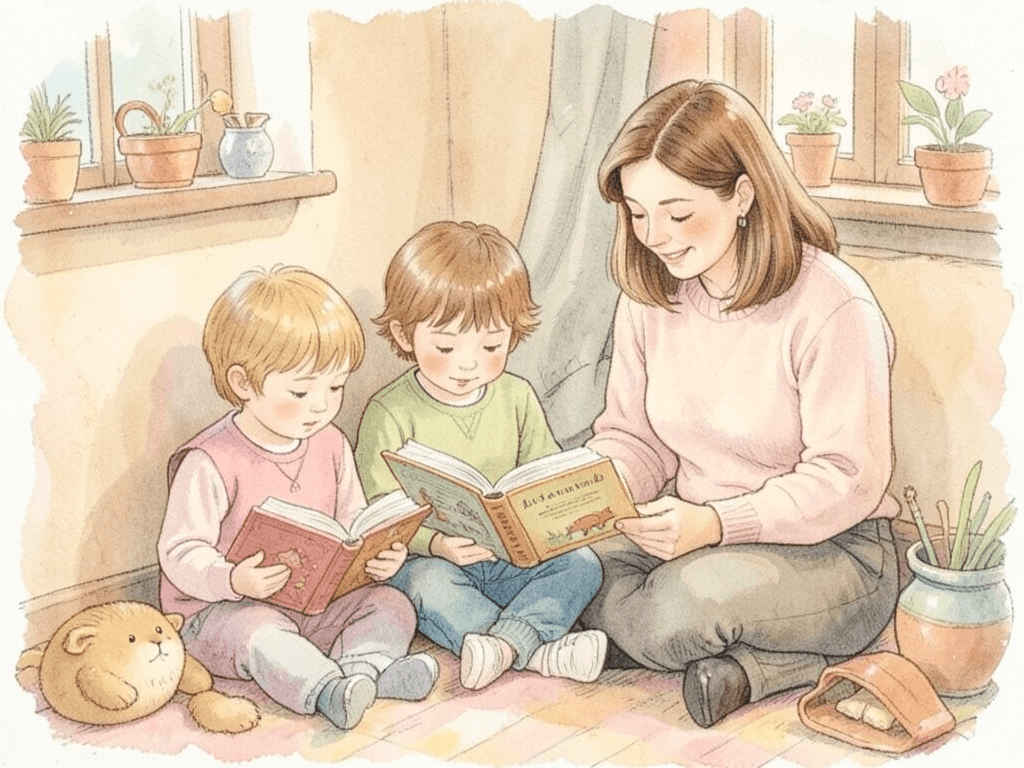
For many parents, the word "reading" can trigger a mix of pride and pressure. We know it's important, but how do we move beyond treating it as a skill to be drilled and instead nurture it as a joy to be discovered? The goal isn't just literacy—it's raising a child who finds comfort, adventure, and connection within the pages of a book. This journey is less about flash cards and more about shared moments, less about levels and more about laughter. Let's explore how to build a foundation where reading feels like a gift, not a chore.
Why Reading Together Matters More Than You Think
Reading aloud to your child does far more than teach them new words. It's a powerful bonding activity that builds security and connection. Neuroscientific research shows that shared reading activates areas of the brain associated with narrative comprehension and mental imagery. More simply, it's a cozy, focused time where your child has your full attention, and together you explore new worlds. This emotional safety makes the brain more receptive to learning. The benefits cascade: expanded vocabulary, better listening skills, and a deeper understanding of story structure, all wrapped in the warmth of your presence.
Building Your Family Reading Routine: A Practical Blueprint
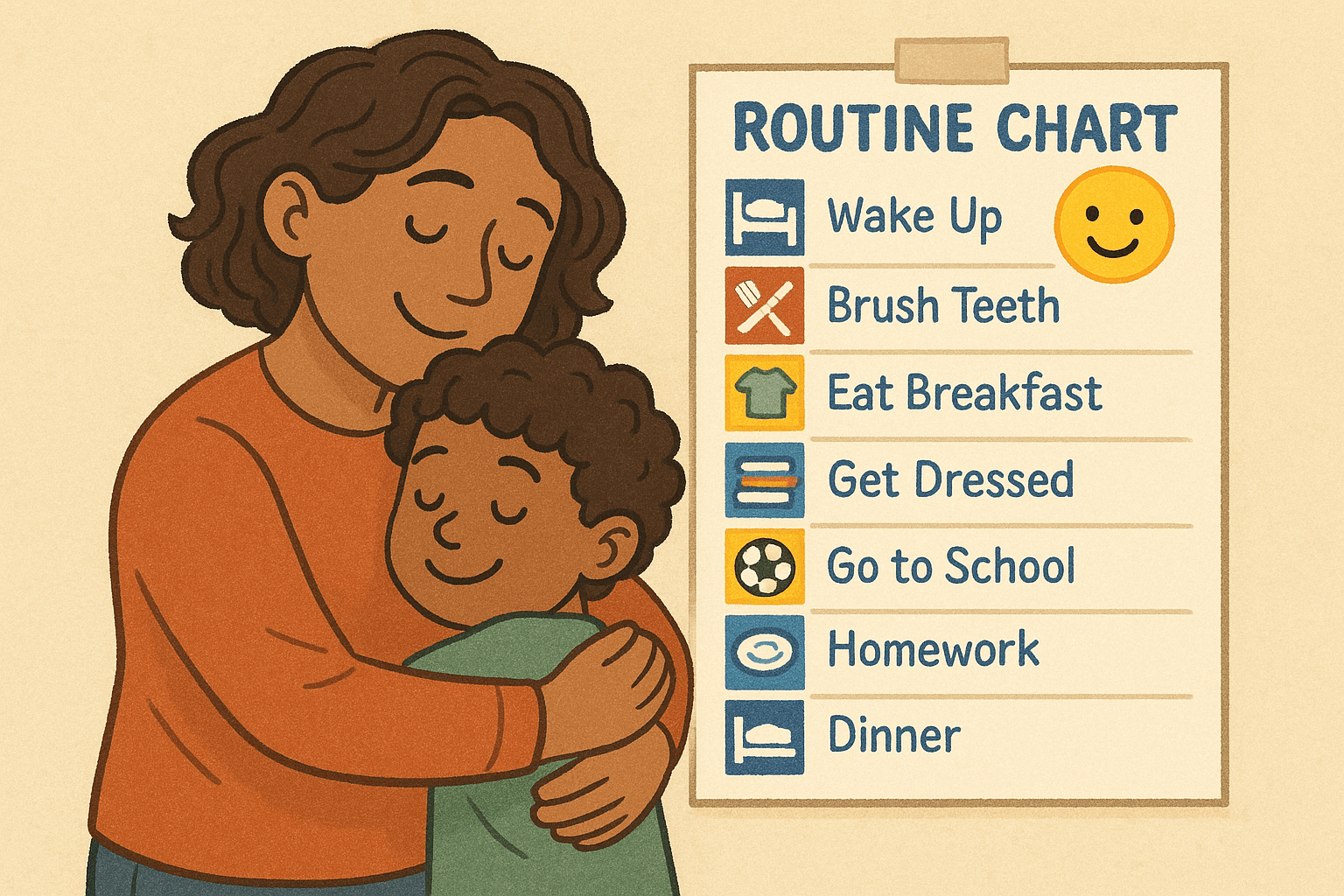
Consistency beats intensity. A sustainable routine is built on small, daily habits rather than occasional marathons.
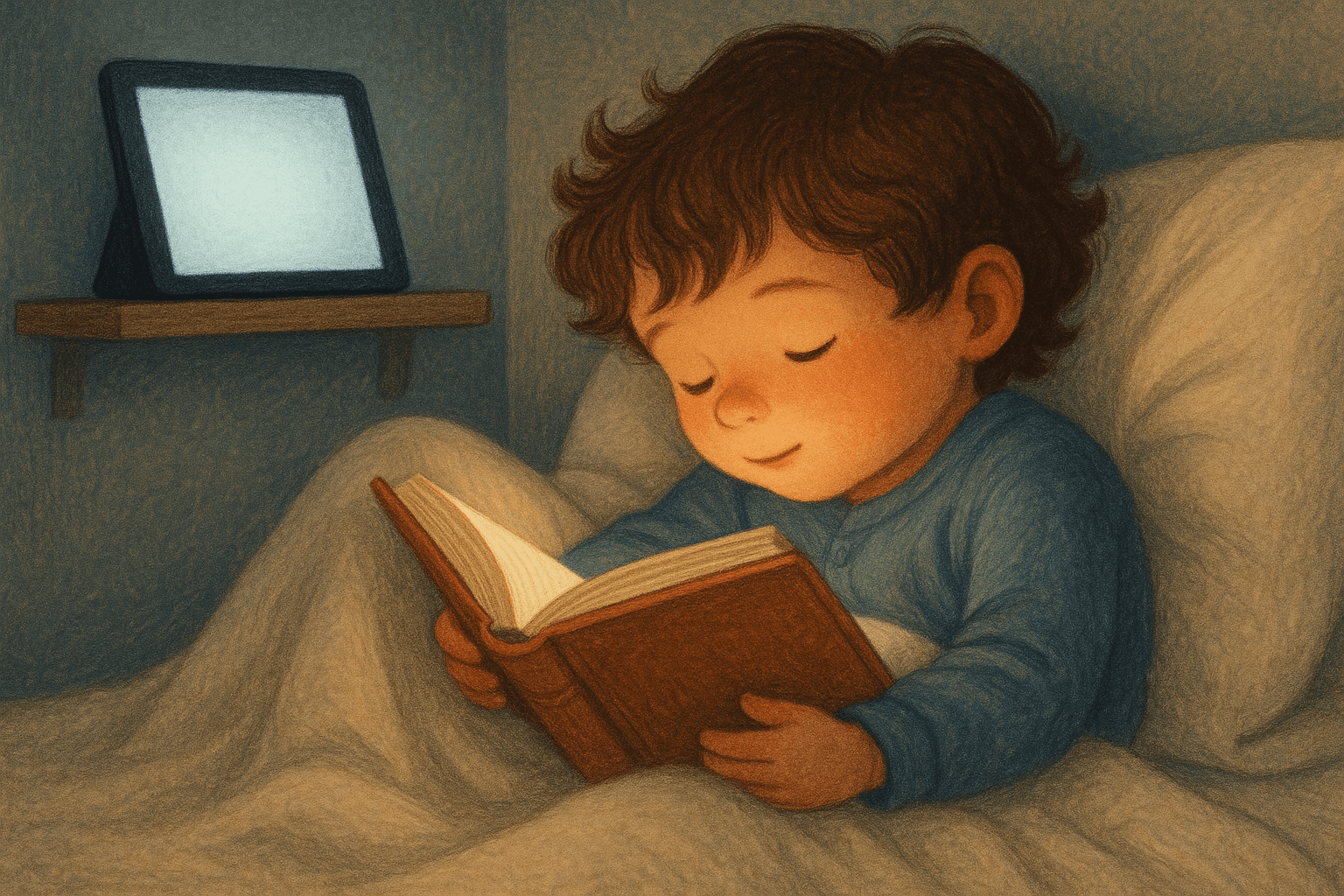
* Anchor it to existing habits: Pair reading with something already regular, like after breakfast, before nap, or as part of the bedtime wind-down. "First we put on pajamas, then we choose two books."
* Create a inviting space: It doesn't need to be a library. A cozy corner with a few pillows, a basket of books, and good light is perfect.
* Let them lead (sometimes): Allow your child to choose the book, even if it's the same one for the tenth night in a row. This fosters a sense of ownership.
* Keep it short and sweet: For young children, 10-15 minutes of focused, joyful reading is more valuable than a reluctant hour.
What to Do (and Avoid) at Every Age & Stage
Infants & Toddlers (0-3 years)
Do: Use board books with high-contrast images. Name pictures, make sounds, and let them turn the chunky pages. Reading is about exploration and your voice.
Avoid: Expecting them to sit still. It's normal for them to wander; just keep reading. Avoid screens as "interactive books."
Preschoolers (3-5 years)
Do: Ask simple predictive questions ("What do you think will happen next?"). Point out letters and sounds in their name. Act out stories with silly voices.
Avoid: Correcting every mispronunciation. Focus on meaning and enjoyment. Don't turn every book into a phonics quiz.
Early School Age (5-8 years)
Do: Take turns reading pages. Connect book themes to their life. Visit the library regularly and let them choose. Celebrate finishing a chapter book!
Avoid: Pressuring them to read "harder" books. Graphic novels, comics, and joke books are valid reading. Avoid criticizing slow progress.
Tweens (9-12 years)
Do: Read the same book separately and discuss. Respect their growing genre preferences (fantasy, mystery, manga). Audiobooks count! They're excellent for building comprehension.
Avoid: Quizzing them on content. Instead, have natural conversations. Don't dismiss their choices as "too easy" or "not real books."
When Reading Feels Like a Battle: What If My Child Avoids Books?
Resistance is a signal, not a character flaw. First, check for hurdles: Are the books too difficult? Is there an undiagnosed vision or learning difference? If you suspect the latter, a conversation with a teacher or pediatrician is a supportive first step.
Reframe the activity:
* Follow their interests: Into dinosaurs? Find fact books, stories, and magazines on the topic.
* Lower the barrier: Try high-interest, low-text options like graphic novels, audiobooks paired with the physical book, or interactive choose-your-own-adventure apps.
* Model reading for pleasure: Let them see you reading your own book, magazine, or recipe simply because you want to.
* Remove the pressure: Say, "Let's just look at the pictures together," or "Let's read for just 5 minutes." Often, once the pressure is off, engagement begins.
Your Quick Weekly Reading Plan
You don't need to overhaul your life. Try weaving these into a typical week:
* Monday - Choice Night: Your child picks any book (or comic, manual, etc.) to read or be read to.
* Tuesday - Topic Tuesday: Read something non-fiction related to their current curiosity (space volcanoes, how bridges are built).
* Wednesday - Wordless Wednesday: "Read" a picture book by narrating the story from the illustrations only. Great for creativity.
* Thursday - Throwback Thursday: Re-read a beloved favorite from when they were younger.
* Friday - Family Read-Aloud: Choose a chapter book slightly above their reading level and read a chapter together.
* Weekend - Trip & Tell: Visit the library or bookstore. Later, have them tell someone about one thing they discovered.
Common Pitfalls to Avoid on Your Reading Journey
1. Making it a performance: Avoid constantly asking them to "read this to show Grandma" or perform for guests.
2. Using reading as a punishment or reward: "No TV until you read!" directly frames reading as the undesirable chore.
3. Over-correcting: When a child is reading aloud, let minor mistakes go if they don't change the meaning. Constant interruption shatters confidence and flow.
4. Comparing: Every child's reading path is unique. Avoid comparing their pace or preferences to a sibling or peer.
5. Abandoning read-alouds: Once children can read themselves, we often stop reading to them. Continue as long as they'll allow! It models fluency and provides access to richer stories.
Frequently Asked Questions
Q: How can we build a daily reading habit when our evenings are so hectic?
A: Start absurdly small. Aim for 5-7 minutes. It could be during breakfast, right after school in the car (audiobook), or as the first part of the bedtime routine. The key is consistency, not duration. A calm, connected five minutes is more habit-forming than a chaotic twenty.
Q: What if my child only wants to read graphic novels or manga? Is that "real" reading?
A: Absolutely, yes. Graphic novels contain complex narratives, advanced vocabulary, and require sophisticated inference skills to interpret the interplay of text and image. They are a gateway to other literature and, most importantly, they keep your child reading voluntarily. Celebrate it.
Q: When should I be concerned about my child's reading progress?
A: If your child shows persistent frustration, avoids reading at all costs, has extreme difficulty sounding out simple words, or consistently guesses words based only on the first letter (e.g., reading "horse" for "house"), it's wise to seek insight. A gentle conversation with their teacher can provide context. They may recommend a vision check or an evaluation for learning differences like dyslexia. Early, supportive intervention is key.
The Last Page Isn't the End
The story of raising a reader isn't written in test scores or reading levels. It's written in the quiet moments of togetherness, the shared jokes from a funny character, and the confidence that comes from unlocking a world of information. Your role isn't to be a flawless instructor, but a curious guide. Put down the checklist, pick up a book—any book—and share the adventure. Start tonight.
Your Next Chapter: This week, commit to one small action. Perhaps it's creating a cozy reading nook, visiting the library, or simply asking your child, "Should we read together for a few minutes?" The simple act of inviting them into a story is the most powerful lesson of all.