Preschool Age Activities: A Practical Parent Guide for Families
A complete parent-friendly guide to preschool activities by age and skill: language, motor, social-emotional, and early learning ideas for home routines.

Preschool years (roughly ages 3–5) are full of curiosity, big emotions, and rapid learning. The best activities at this stage are simple, playful, and repeated often—not expensive or complicated.
This guide gives families practical preschool age activities you can use at home to support language, thinking, motor skills, confidence, and school readiness.
What Makes a Good Preschool Activity?
A high-quality activity for preschoolers should be:
- Short: 10–20 minutes is usually enough
- Hands-on: Kids learn by doing
- Play-based: Joy improves memory and engagement
- Flexible: Can be adapted for different ability levels
- Interactive: Best when adults participate with warmth and attention
1) Language and Communication Activities
Try these daily:
- Picture talk: Show a picture and ask, "What is happening here?"
- Story retell: After reading, ask your child to retell in their own words
- Rhyming game: Cat-hat, sun-fun, tree-bee
- Question jar: Pull a simple prompt at dinner (favorite color, favorite animal, etc.)
Skills built: Vocabulary, listening, sentence formation, confidence in speaking.
2) Early Math and Thinking Activities
- Count while doing: Stairs, toys, fruit pieces
- Sort and classify: By color, size, shape, texture
- Pattern play: Red-blue-red-blue with blocks or beads
- Puzzle time: 12–24 piece puzzles for focus and logic
Skills built: Number sense, problem-solving, pattern recognition, concentration.
3) Fine Motor Activities (School Readiness)
- Play-dough rolling and pinching
- Bead threading (age-safe)
- Tearing and pasting paper
- Child-safe scissor practice
- Coloring within large shapes
Skills built: Hand strength, pencil grip readiness, bilateral coordination.
4) Gross Motor Activities (Body + Brain)
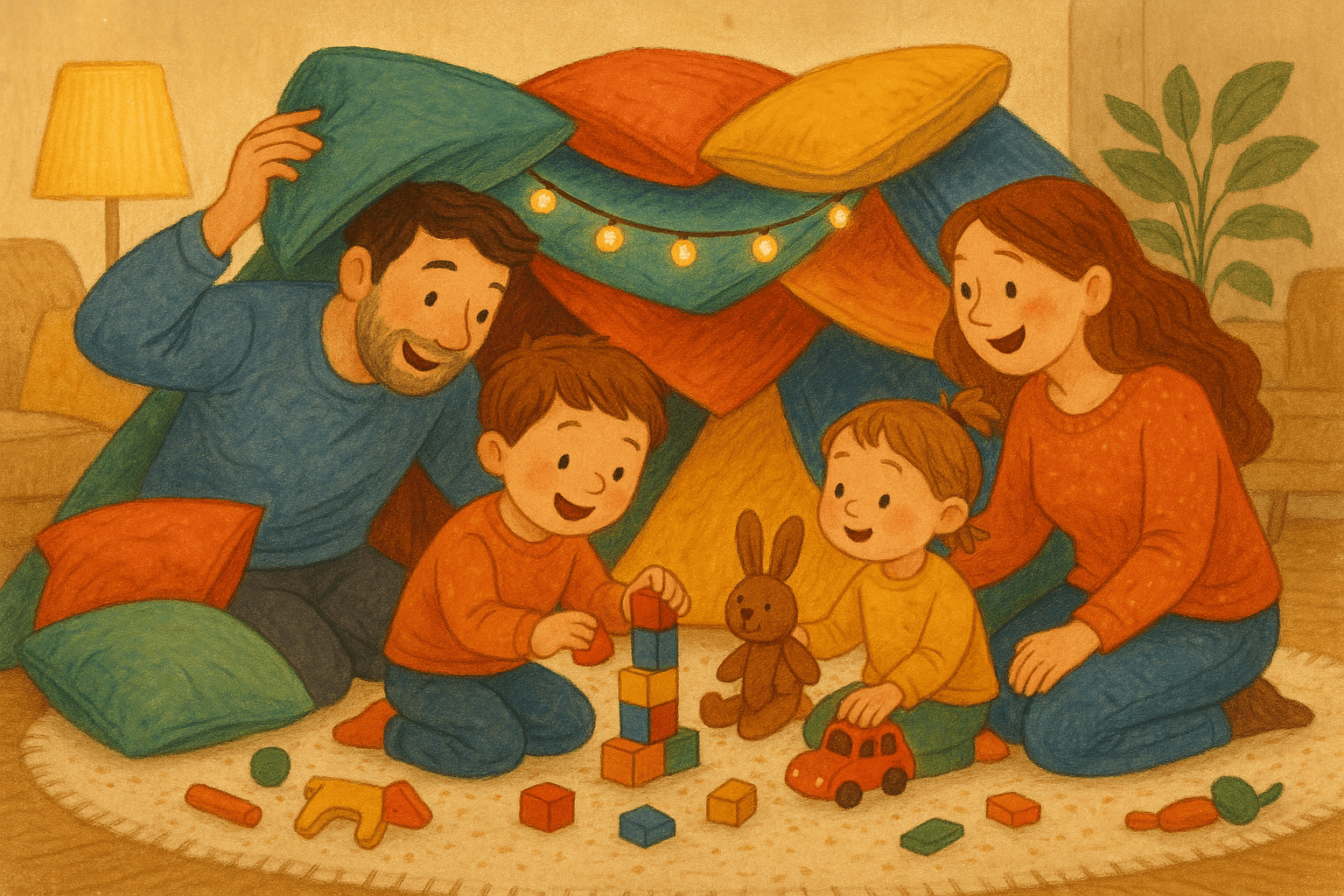
- Obstacle course with pillows/chairs
- Animal walks (frog jump, bear walk, bunny hop)
- Dance freeze game
- Ball throw and catch
- Outdoor running and climbing
Skills built: Balance, coordination, self-regulation, body awareness.
5) Social-Emotional Activities
- Feelings cards: "How do you feel today?"
- Role-play: Sharing toys, waiting turns, asking for help
- Breathing game: Smell the flower, blow the candle
- Kindness challenge: One helpful act each day
Skills built: Emotion naming, empathy, impulse control, resilience.
6) Creative Activities
- Open-ended art with crayons, paint, and collage
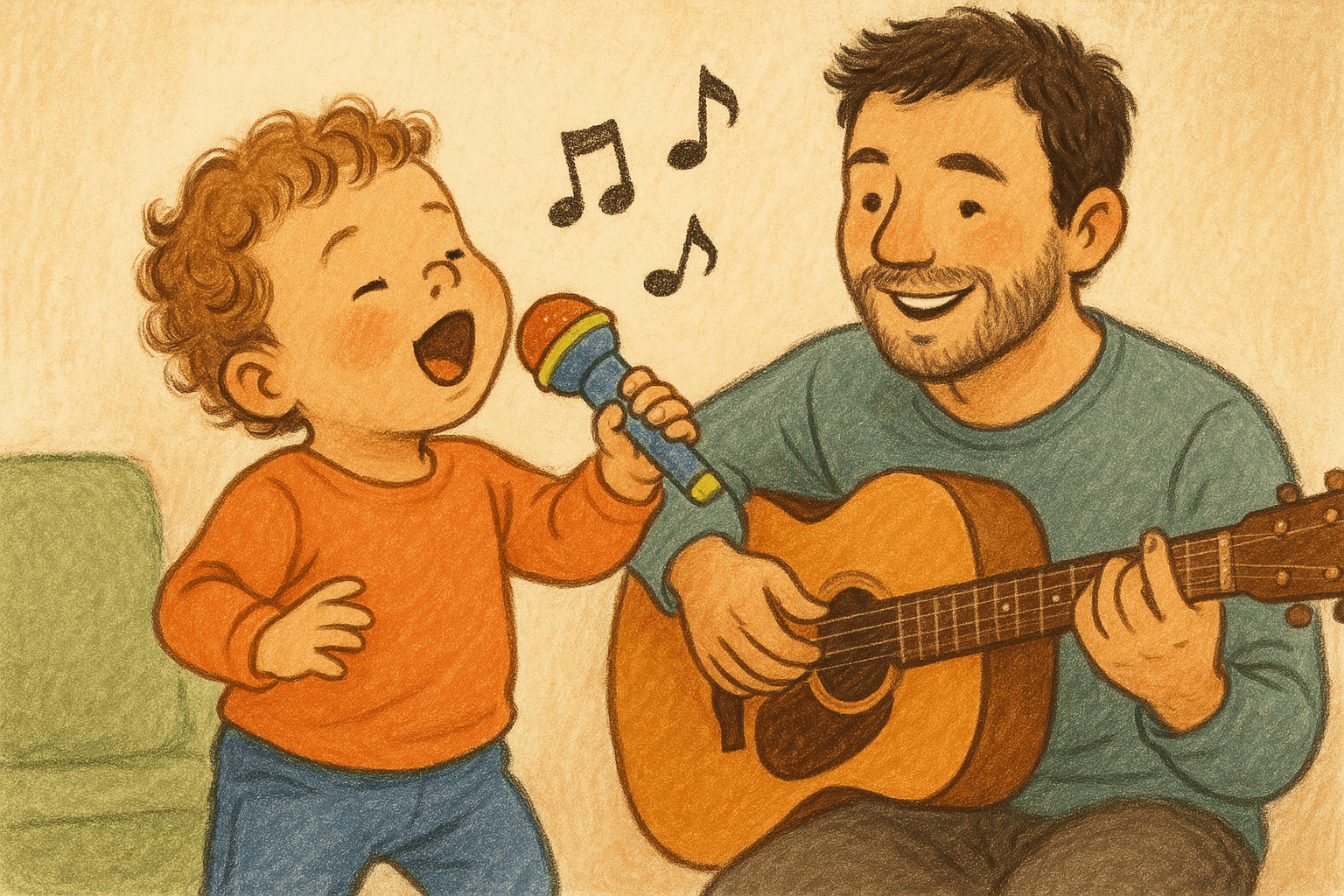
- Music and action songs
- Pretend play (doctor, chef, teacher, shopkeeper)
- Build-and-tell with blocks (make something and explain it)
Skills built: Imagination, storytelling, flexible thinking, self-expression.
A Simple 7-Day Activity Rotation
Use this if you want structure without stress:
- Monday: Story + drawing
- Tuesday: Counting + sorting
- Wednesday: Music + movement
- Thursday: Puzzle + pretend play
- Friday: Outdoor game + nature talk
- Saturday: Art + family board game
- Sunday: Free play + book review
Aim for 1–2 focused activities daily, plus free play.
Common Mistakes to Avoid
- Doing too many activities in one day
- Turning play into pressure or performance
- Correcting every mistake immediately
- Expecting all children to learn at the same pace
- Replacing active play with passive screen time
Progress in preschool is uneven—and that is normal. Consistency matters more than intensity.
How to Adapt by Age
Age 3
- Keep instructions short (1–2 steps)
- Focus on sensory, movement, and repetition
Age 4
- Introduce turn-taking games and simple rules
- Add storytelling, sequencing, and beginner puzzles
Age 5
- Include pre-writing, longer attention tasks, and beginner teamwork games
- Build independence (set up and clean up activities)
When Parents Should Seek Extra Support
Talk to a pediatrician or child development professional if you notice persistent concerns such as:
- Very limited speech compared with peers
- No eye contact or social engagement
- Frequent aggressive behavior that does not improve
- Difficulty following simple instructions over time
- Significant delay in motor milestones
Early support can make a big difference.
FAQ
Q: How long should preschool activities be?
Usually 10–20 minutes per activity is ideal for this age group.
Q: How many activities should I plan each day?
One or two guided activities plus free play is enough for most families.
Q: Are worksheets necessary for preschoolers?
Not usually. Play-based, hands-on learning is more developmentally appropriate.
Final Takeaway
The best preschool age activities are simple, joyful, and repeatable. You don't need to do everything—just do a few things consistently with warmth and presence.
At Learn & Laugh Kids TV, we help families turn everyday moments into playful learning through songs, stories, and practical parent tools.
Related Reading
- [Building Early Literacy Skills: 10 Fun Activities for Preschoolers](/blog/early-literacy-tips)
- [Learning Math Through Play: Making Numbers Fun](/blog/math-through-play)
- [Building Focus: Age-Appropriate Attention Span Activities](/blog/attention-span-development)
👉 Explore more family guides on Learn & Laugh Kids TV.