The Write Start: Building Strong Handwriting Skills in Children
Handwriting is more than just putting pencil to paper—it's a foundational skill that supports learning, confidence, and cognitive development. This guide offers practical, age-appropriate strategies to help your child develop clear, comfortable, and confident handwriting.
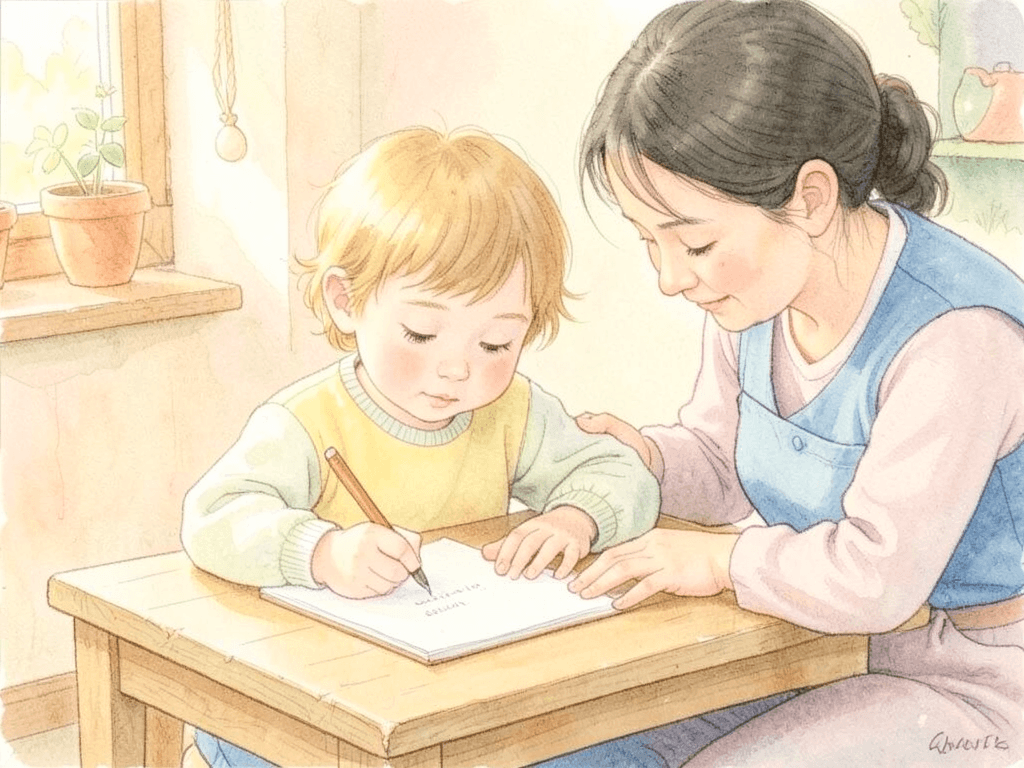
In our digital age, the gentle scratch of a pencil on paper might seem like a fading art. Yet, handwriting remains a crucial developmental milestone for children. It's not merely about forming letters; it's a complex brain-body connection that supports reading, memory, and self-expression. For many parents, watching a child struggle with a pencil can be worrying. This guide moves beyond pressure and perfection, focusing instead on building strength, coordination, and confidence—one joyful scribble at a time.
Why Handwriting Still Matters in a Digital World
Research consistently shows that the physical act of writing by hand engages the brain differently than typing. It activates areas involved in thinking, language, and working memory. When a child forms a letter, they create a motor memory that aids in letter recognition and reading fluency. Handwriting is also a tool for learning; the slower process encourages children to condense and process information. Beyond academics, a child's signature on a drawing or a neatly written note builds a sense of identity and personal pride. It's a life skill, from filling out forms to writing a heartfelt letter.
The Building Blocks: It's More Than Just Fingers
Before a child can write neatly, they need a strong foundation. Think of it as constructing a house:
* Gross Motor Skills: Strong shoulders, core, and arms provide stability. Activities like crawling, climbing, playing catch, and swimming build this essential base.
* Fine Motor Skills: These involve the small muscles of the hands and fingers. Develop them with playdough, threading beads, using tweezers to pick up small objects, and tearing paper for crafts.
* Visual-Motor Integration: This is the ability for the eyes to guide the hands. Puzzles, tracing shapes, and connecting dots are excellent practice.
* Hand Strength & Dexterity: Squeezing spray bottles, using clay tools, and manipulating clothes pegs build the necessary power and control.
If your child resists writing, often complains of hand pain, or grips the pencil unusually tightly, they may be struggling with one of these underlying skills.
Age-by-Age Guide: Setting Realistic Expectations
Toddlers & Preschoolers (2-4 years): The Pre-Writing Phase
Focus is on exploration, not letters. Provide chunky crayons, washable markers, and large sheets of paper. Encourage scribbling, drawing circles and lines, and finger painting. Praise the effort, not the product. The goal is to foster a love for making marks.
Foundation Years (5-7 years): Learning to Form
This is when formal instruction often begins. Use wide-ruled notebooks and short, thick pencils or triangular grips. Teach correct posture: feet flat, back supported, paper slanted. Start with capital letters, as they are made of straight lines and circles. Practice letter families (e.g., c, a, d, g). Keep sessions short (5-10 minutes) and positive.
Developing Writers (8-10 years): Building Fluency
Children now work on consistency, size, and spacing. Introduce narrower ruled paper. Encourage writing for purpose: shopping lists, diary entries, thank-you notes. Focus on legibility over perfect cursive. Provide gentle reminders about letter formation if habits slip.
What to Avoid: Common Pitfalls for Parents
1. Starting Too Early: Pushing formal writing before a child is physically ready leads to frustration and poor habits.
2. Criticizing Messiness: Early writing will be messy. Correcting every mistake shatters confidence. Instead, pick one positive thing to praise ("I love how you closed your 'o'!") and one gentle suggestion for next time ("Let's try to keep our 'l' a little taller").
3. Long, Drilling Sessions: Marathon practice is counterproductive. Short, daily practice is far more effective.
4. Comparing Siblings or Peers: Handwriting development varies widely. Focus on your child's individual progress.
5. Neglecting Posture & Grip: An awkward posture or a tense grip causes fatigue and pain, making writing a chore.
A Quick Weekly Plan for Hands-On Practice
Integrate these activities into your routine without making it a formal "lesson":
* Monday (Strength): 10 minutes of playdough or clay modelling.
* Tuesday (Control): Draw in a tray of salt or sand with a finger.
* Wednesday (Fun): Write a silly sentence together with colourful gel pens.
* Thursday (Purpose): Help write 3 items on the grocery list.
* Friday (Games): Play a board game that involves drawing or dexterity.
* Weekend (Gross Motor): Visit the park for climbing, swinging, and monkey bars.
When to Seek Professional Guidance
While variation is normal, consult an occupational therapist or paediatrician if you notice persistent signs:
* Extreme avoidance or emotional distress around writing tasks.
* Pain or significant fatigue in the hand or arm after short periods.
* Inability to copy simple shapes (circle, square) by age 5.
* Letters that are consistently reversed or poorly formed well past the age of 7-8.
* A pencil grip that does not improve with gentle guidance and appropriate tools.
Early intervention can make a profound difference.
Creating a Positive Writing Environment at Home
Make writing materials accessible and inviting. Have a dedicated "writing corner" with different types of paper, pencils, stamps, and stickers. Be a writing role model—let your child see you writing lists, notes, or in a journal. Most importantly, separate handwriting practice from creative writing. If your child is writing a story, focus on the ideas first. Neatness can be addressed in a separate, dedicated practice time.
FAQ: Your Handwriting Questions Answered
Q: My child writes letters backwards. Should I be concerned?
A: Letter reversals (like 'b' and 'd') are common until age 7 or 8 as children solidify their visual memory of letters. Gently correct by modelling the correct formation and using multi-sensory activities (writing in sand, forming letters with clay). If reversals persist frequently beyond age 8, mention it to their teacher.
Q: Is cursive writing still necessary?
A: While not always emphasized in all school curricula, cursive can benefit motor skills and writing speed for some children. It can also be helpful for children with certain learning differences like dyslexia. View it as a useful tool in their toolkit, not an absolute requirement.
Q: My child hates writing. How can I motivate them?
A: First, rule out physical difficulty or discomfort. Then, connect writing to their interests. Have a dinosaur fan label a drawing? Ask a football enthusiast to write the team lineup. Use special tools: scented markers, a notebook with their favourite character, or write with a whiteboard marker on a window (with permission!). Keep it light, fun, and pressure-free.
Your Next Step
Remember, the journey to confident handwriting is a marathon, not a sprint. Celebrate the small victories—a correctly held pencil, a well-formed name, a completed sentence without tears. Your calm, supportive presence is the most powerful tool you have. Start today by observing your child during play. Notice their grip, their strength, their joy in creation. Then, choose one simple activity from this guide to try together this week. Share your experiences and questions in the comments below—let's build a community of support, one written word at a time.