What Singapore Parents Are Searching in 2026 (And How to Support Your Child Better at Home)
From school readiness and bilingual learning to screen-time balance and child nutrition, here are the biggest parenting trends we are seeing from Singapore traffic—and practical actions families can take this week.
Singapore families are deeply education-focused, but in 2026 we are seeing an important shift: parents are not just asking how to help kids score better—they are also searching for ways to build confident, emotionally healthy, curious children.
Based on current content demand patterns from Singapore parents and recurring parent questions across education and child-development communities, these are the strongest trend themes right now.
1) School readiness (without burnout)
One of the strongest search themes is around kindergarten-to-primary transition:
- school readiness checklists for ages 4–7
- building routine and independence at home
- helping children focus without pressure
What this means for parents
Parents want children to be prepared for structured learning, but they also worry about stress, resistance, and confidence drops.
Practical plan (this week)
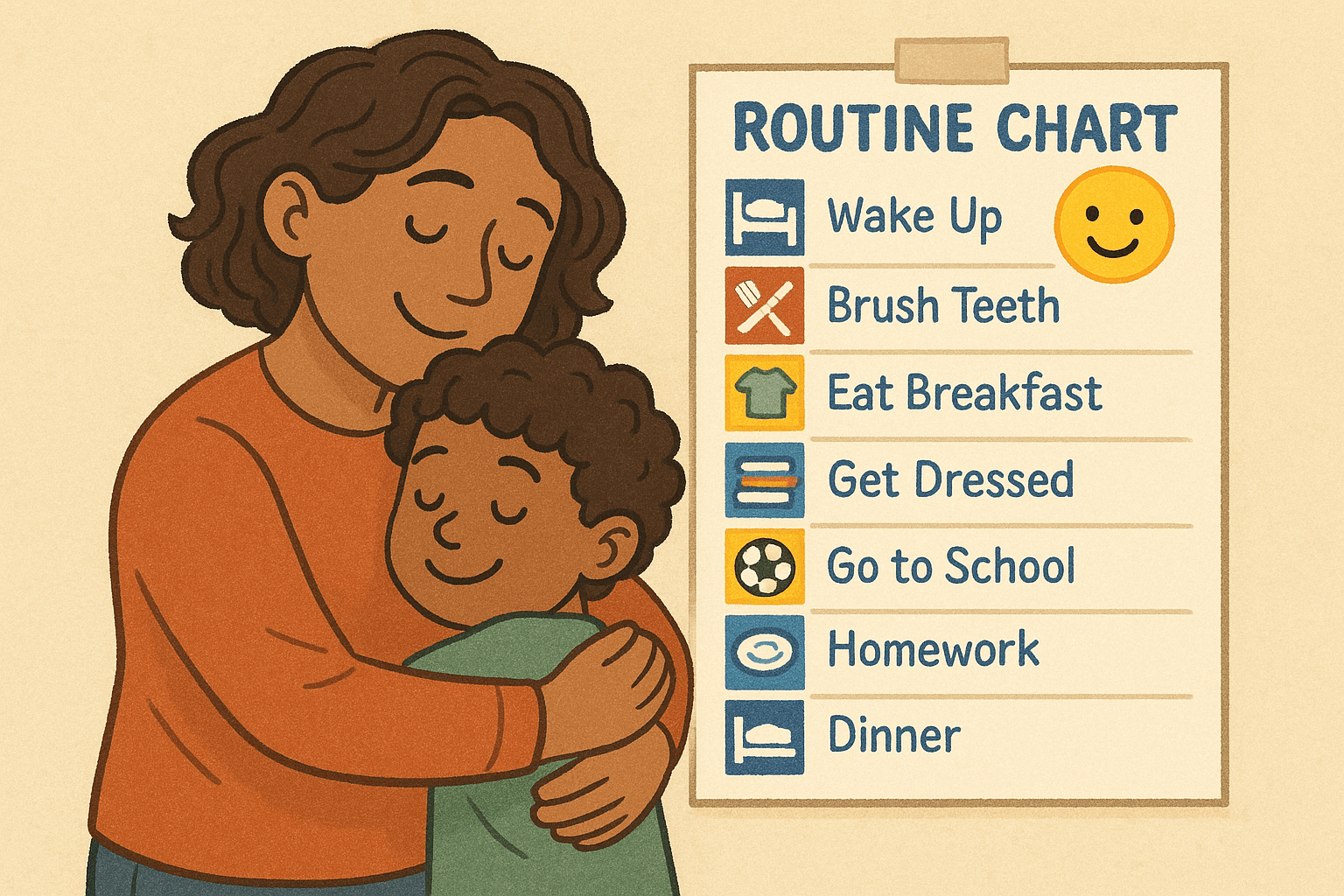
- Create a 15-minute daily “ready for school” routine (pack bag, choose outfit, simple reading activity).
- Practice one independence skill at a time (buttoning, zipper, opening lunch box).
- Replace “perform now” language with “let’s practice together.”
2) Bilingual learning at home (English + Mother Tongue)
Singapore parents are increasingly searching for easy bilingual activities they can use in short daily windows.
What this means for parents
Families want consistency, not complicated lesson plans.
Practical plan (this week)
- Pick one theme (food, animals, transport) and teach 5 words in both languages.
- Use songs, labels, and bedtime storytelling to repeat naturally.
- Keep sessions short (10–12 minutes), daily, and playful.
3) Screen-time balance and high-quality content choices
Another major pattern: parents want fewer fights over devices and better educational outcomes from screen time.
What this means for parents
The issue is no longer just “how much screen time,” but “what type, when, and with whom.”
Practical plan (this week)
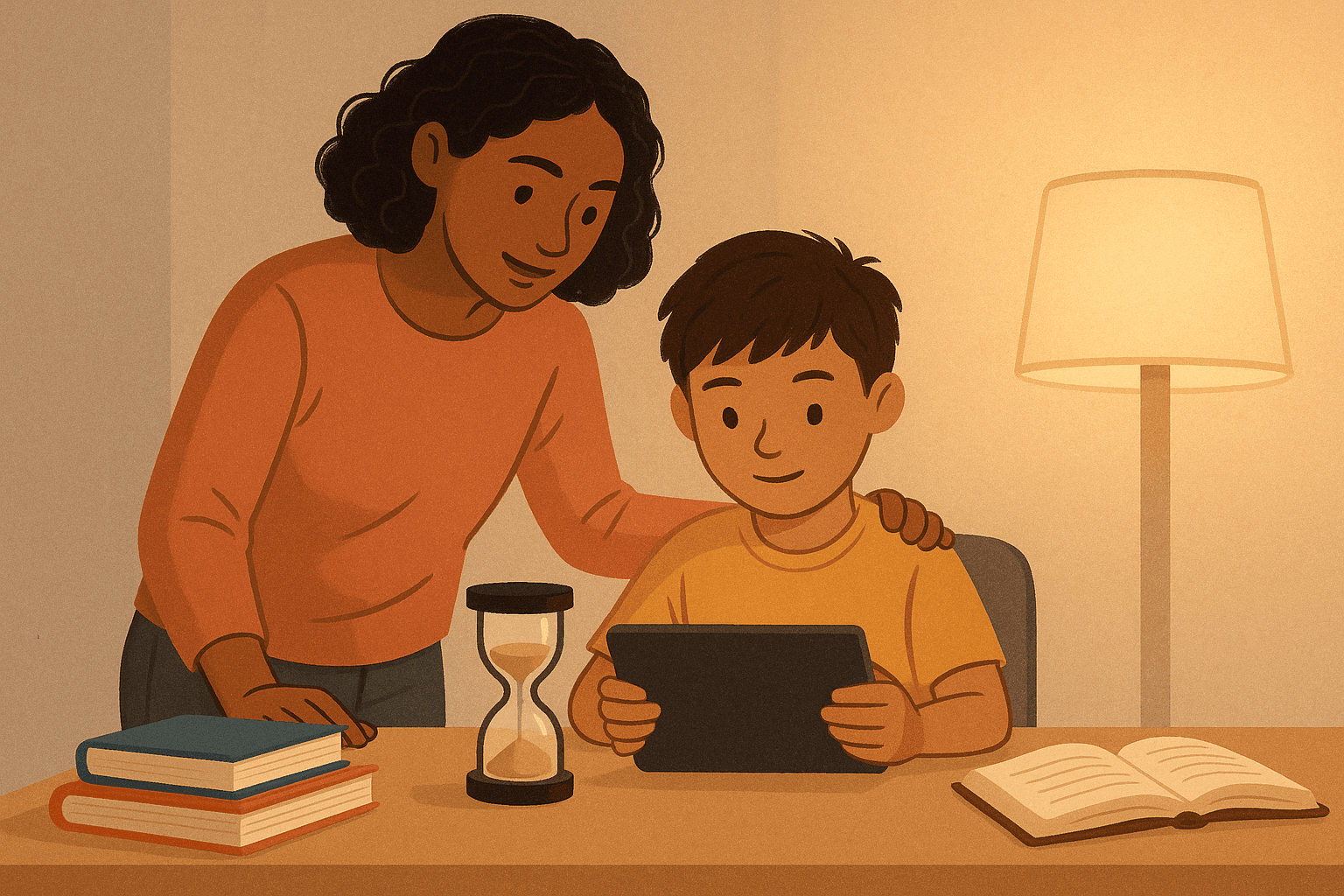
- Use a simple rule: Watch together first, then child watches independently later.
- Set fixed viewing blocks (e.g., 30 minutes after homework/play).
- Follow every video with one offline activity (draw, retell, role-play, sing).
4) Child nutrition and picky eating
Search interest around healthy meals, lunchbox ideas, and picky eating remains high among Singapore families.
What this means for parents
Parents want realistic food strategies that work with busy schedules—not perfect meal plans.
Practical plan (this week)
- Use the “one familiar + one new” plate method.
- Involve children in tiny food decisions (choose fruit, wash vegetables).
- Keep mealtime calm; avoid turning meals into negotiations.
5) Enrichment choices: tuition vs whole-child development
Parents are comparing enrichment options more critically now:
- academic tuition
- communication/public speaking
- coding/creative projects
- sports and social confidence programs
What this means for parents
Families are moving toward balanced growth: academics + confidence + communication + resilience.
Practical plan (this week)
Before enrolling in any program, ask:
1. Will this reduce or increase my child’s stress?
2. Does my child actually enjoy this format?
3. Can we sustain it for 6 months?
A simple weekly framework for Singapore families
If you want better progress without overload, try this structure:
- Mon–Thu: 20–30 min learning routine (reading + light numeracy/language)
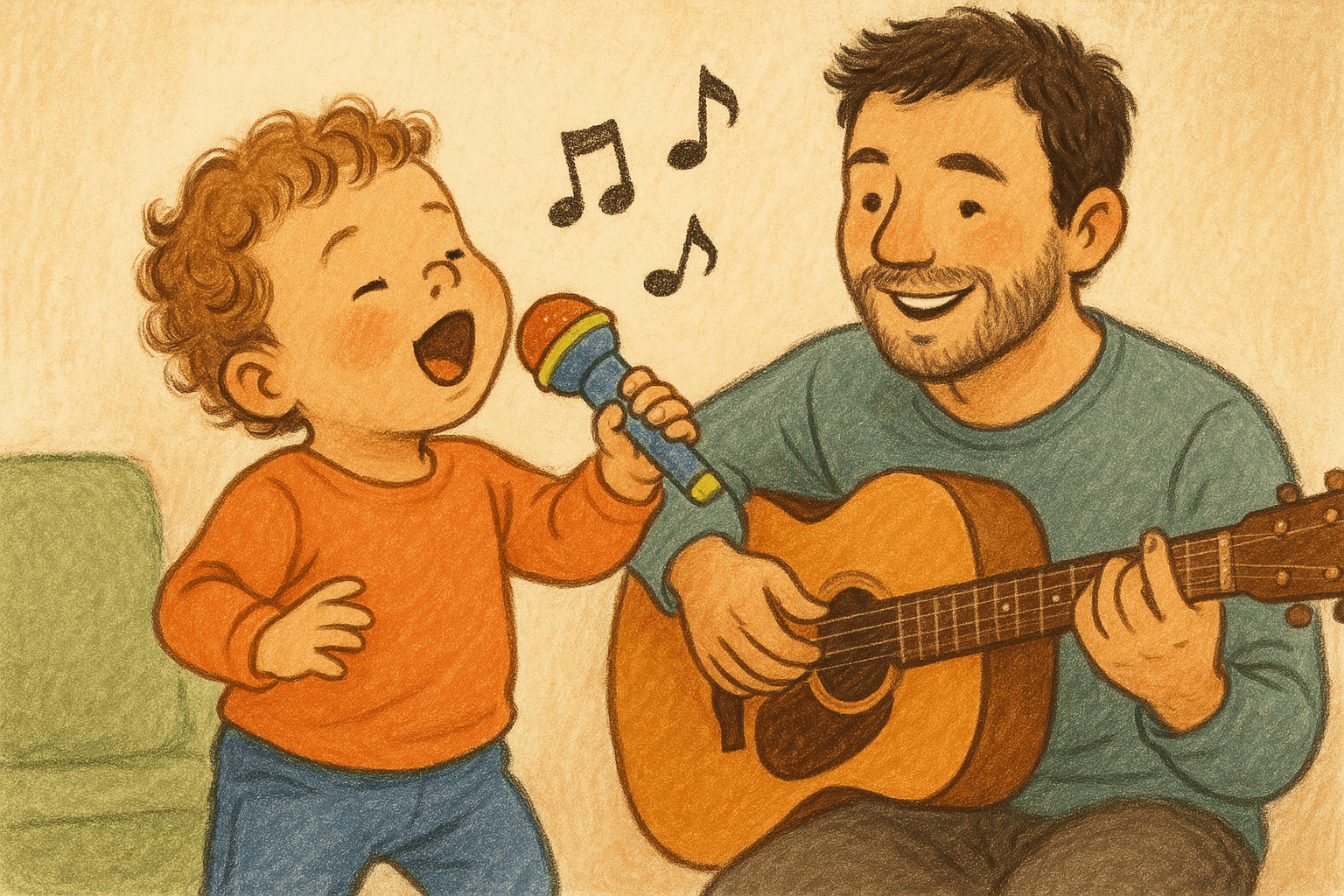
- Fri: creative day (music, storytelling, drawing)
- Weekend: family conversation + outdoor movement + meal prep with child
Consistency beats intensity. Small routines done daily work better than occasional long sessions.
Final takeaway
The biggest parenting trend in Singapore right now is intentional balance: families want children who are academically ready, emotionally secure, and curious about learning. If you focus on routines, relationship, and realistic expectations, progress comes faster—and with less stress for everyone at home.
CTA
Want more Singapore-relevant parent guides like this? Follow Learn & Laugh Kids TV for practical weekly routines, bilingual-friendly activities, and child-development tips you can apply immediately.