The Heart of Positive Parenting: Building Cooperation and Connection Without Yelling
Positive parenting isn't about permissiveness. It's a practical, evidence-based framework that uses connection, clear communication, and respectful guidance to foster cooperation, emotional intelligence, and strong family bonds. Discover how to make the shift.
Let's be honest: the phrase "positive parenting" can sound idealistic. In the heat of a tantrum, a sibling squabble, or yet another refusal to put on shoes, the idea of staying "positive" can feel impossible, even frustrating. Many parents wonder, "Am I just supposed to be happy and let my child walk all over me?"
Absolutely not. Positive parenting is not permissiveness. It is not about ignoring bad behavior or being a constantly cheerful doormat. At its core, positive parenting is a practical, evidence-informed philosophy that shifts the focus from controlling children *through* fear, threats, and punishment to guiding them *with* connection, clear communication, and respectful teaching. It's about building the skills—for both you and your child—to navigate challenges cooperatively, fostering emotional intelligence, intrinsic motivation, and a deep, trusting relationship that lasts a lifetime.
Think of it as moving from being a police officer who only hands out tickets to becoming a compassionate coach who teaches the rules of the game.
What Positive Parenting Is (And What It Isn't)
Positive parenting is rooted in decades of research in child development, attachment theory, and neuroscience. It understands that children's behavior is a form of communication, often expressing an unmet need, a big feeling they can't regulate, or a skill they haven't yet learned.
It IS:
* Connection-based: Prioritizing a secure, loving relationship as the foundation for all guidance.
* Skill-building: Teaching emotional regulation, problem-solving, and empathy.
* Guidance-focused: Setting clear, age-appropriate limits and consistently enforcing them with kindness and firmness.
* Long-term oriented: Aiming to raise capable, caring, and internally motivated adults, not just to achieve short-term compliance.
It is NOT:
* Letting children do whatever they want.
* Avoiding all consequences.
* Never feeling frustrated or setting limits.
* A guarantee of perfect behavior.
The Core Principles: Your Parenting Compass
These principles serve as your guide, especially when you're unsure what to do next.
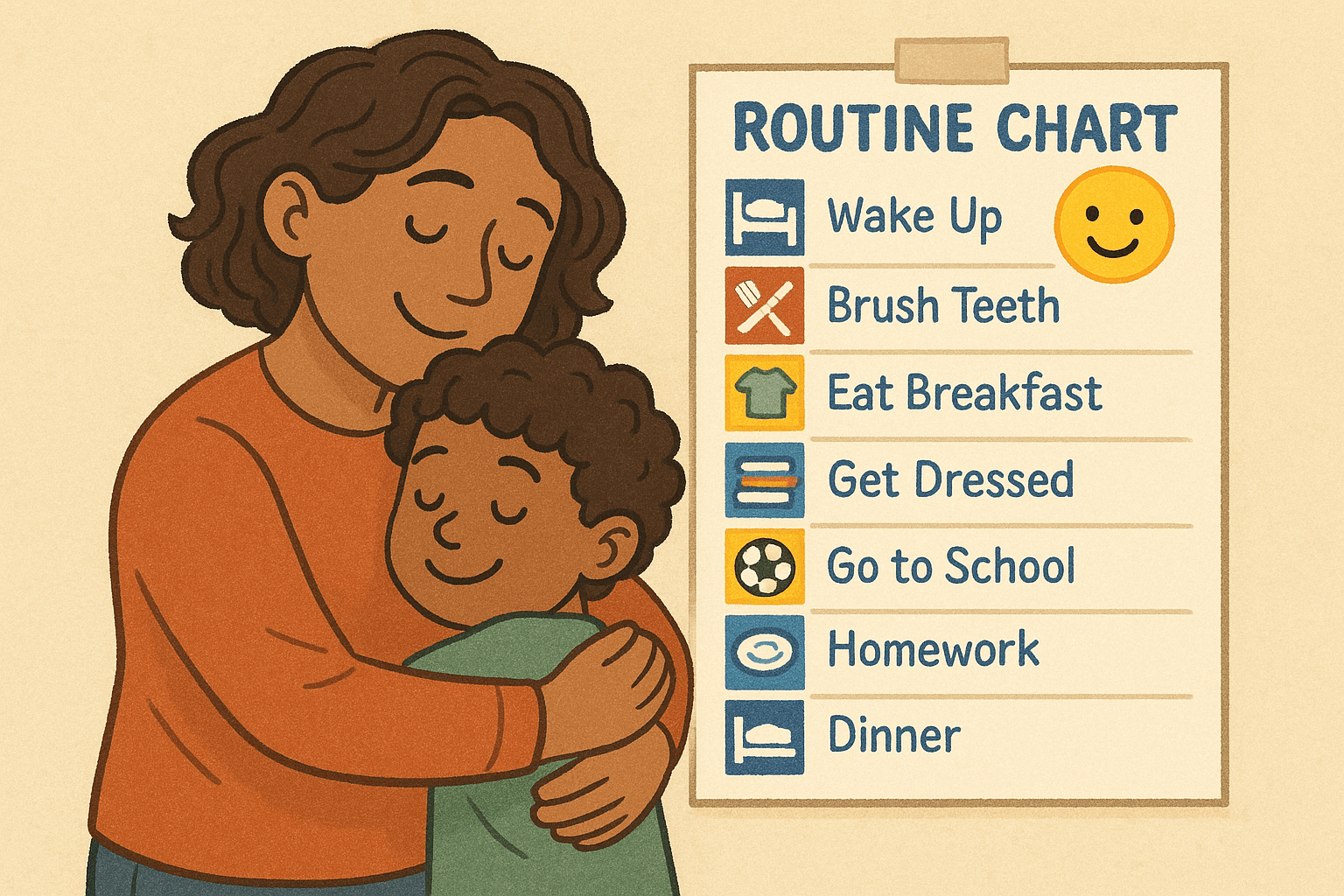
1. Connection Before Correction: A child who feels connected is far more receptive to correction. A simple hug, getting down to eye level, or a validating statement ("You're really upset about leaving the park") before addressing the behavior can defuse power struggles.
2. See the Need Behind the Behavior: Is that meltdown about the blue cup vs. the red cup, or is it about exhaustion, hunger, or a need for autonomy? Look past the surface to address the root cause.
3. Teach, Don't Punish: The goal is to educate. Instead of "Go to your room for hitting!" try, "Hitting hurts. Let's see how we can use our words when we're angry. You can say, 'I'm mad! I need space!'".
4. Empower with Choices and Problem-Solving: Offer limited, acceptable choices ("Would you like to wear your red pajamas or your blue ones?") and involve children in creating solutions ("We're having a hard time leaving the house on time. What ideas do you have to help us move faster?").
Age-Banded Strategies: From Toddlers to Tweens
Toddlers (1-3 years):
* Routine: Use simple, predictable routines for meals, naps, and bedtime. A visual chart with pictures can help.
* Example: Instead of "Don't run!" try "Use your walking feet, please." Offer a "yes" environment (child-safe spaces) to minimize constant "no's."
* Tip: Use play and silliness to gain cooperation ("Let's hop like bunnies to the bath!").
Preschoolers (3-5 years):
* Routine: Implement a "when/then" routine: "*When* you put your toys away, *then* we can read a story."
* Example: For hitting, say, "I can't let you hit. Your hands are for playing and hugging. Let's stomp our angry feelings out together."
* Tip: Give feelings names. "You look disappointed we can't go to the park. It's raining, and that's frustrating."
School-Age (6-9 years):
* Routine: Create a collaborative "morning/evening checklist" they can follow independently.
* Example: Instead of demanding an apology, guide them: "What can you do to make your sister feel better after you took her toy?"
* Tip: Hold family meetings to discuss issues and celebrate wins, letting everyone have a voice.
Tweens (10-12 years):
* Routine: Co-create agreements about screen time, homework, and chores, writing them down to avoid future debates.
* Example: When they break a rule, focus on reparation: "The agreement was phones off at 9 PM. Since it was on at 10, you'll need to take a 24-hour break to reset. How can we make sure this doesn't happen again?"
* Tip: Connect through shared activities (a walk, cooking) to keep communication lines open as they seek more independence.
What to Avoid: Common Pitfalls on the Positive Path
* Over-Talking/Over-Explaining: Young children don't need lectures. Use short, clear directives.
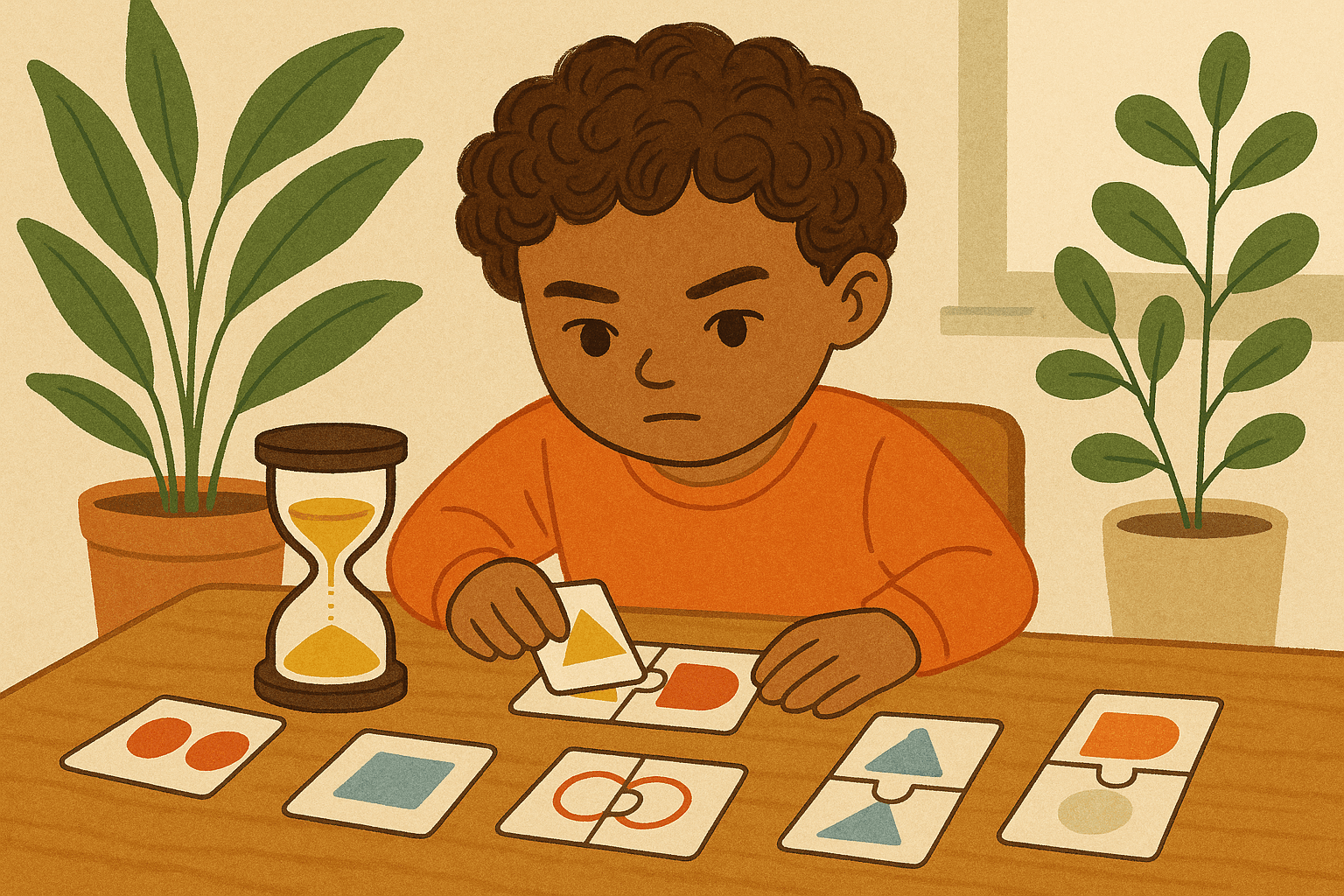
* Empty Praise: Avoid generic "good job!" Instead, use descriptive encouragement: "You worked so hard on that puzzle! You didn't give up even when the pieces were tricky."
* Inconsistency: If screen time is limited to 30 minutes one day and 2 hours the next, children become confused and test limits more.
* Neglecting Your Own Regulation: You cannot pour from an empty cup. It's okay to say, "I'm feeling very frustrated right now. I need a minute to calm down before we talk about this."
* Fear of All Consequences: Natural and logical consequences are key teachers. The consequence should be related, respectful, and reasonable (e.g., if they don't put their dirty clothes in the hamper, they won't be washed).
Your Quick Weekly Positive Parenting Plan
You don't need to overhaul everything at once. Try integrating one of these focuses each day.
* Monday - Connection Day: 10 minutes of one-on-one, undivided attention with each child (no phones!). Follow their lead in play.
* Tuesday - Empower with Choices: Consciously offer two acceptable choices throughout the day.
* Wednesday - Focus on Feelings: Name your child's emotions and your own. "You seem really proud of that drawing!" "I'm feeling a bit overwhelmed by this messy kitchen."
* Thursday - Teach a Skill: Proactively teach how to handle a common struggle (e.g., how to take a deep "balloon breath," how to ask a sibling for a turn).
* Friday - Problem-Solve Together: Pick one recurring issue (morning rush, bedtime stalling) and brainstorm solutions *with* your child.
* Weekend - Reflect & Repair: If you lost your cool, model repair. "I'm sorry I yelled this morning. I was running late and got worried. Next time, I will try to take a deep breath first."
When Challenges Feel Bigger: Seeking Support
Positive parenting is a powerful framework, but it is not a substitute for professional evaluation and support when needed. If your child exhibits persistent behaviors that are significantly disruptive, dangerous, or cause them great distress, or if you have concerns about developmental milestones, anxiety, or mood, please consult your pediatrician, a child psychologist, or a licensed family therapist. There is no shame in seeking expert help; it is a profound act of love.
Frequently Asked Questions
Q: Isn't this just letting my child get away with bad behavior?
A: Not at all. Positive parenting is highly proactive and involves clear boundaries. The difference is in *how* those boundaries are enforced. Instead of punitive punishment that teaches fear, it uses firm, kind consequences and problem-solving to teach responsibility. The child experiences the outcome of their action (e.g., making amends for a mess) rather than an unrelated penalty.
Q: I lose my temper sometimes. Does that mean I've failed at positive parenting?
A: Absolutely not. You are human. Positive parenting is about the long-term pattern, not perfection. What matters most is the repair afterward. Apologizing and reconnecting after a rupture ("I'm sorry I yelled. I was frustrated, but I should have used a calmer voice. Let's try talking about this again.") is one of the most powerful positive parenting tools you have. It models accountability and resilience.
Q: My partner/parents think this is too soft. How do I get them on board?
A: Focus on the outcomes, not the label. Explain that you're working on teaching long-term skills like self-discipline and empathy. Share a specific strategy that's working (e.g., "Giving him two choices for his outfit has cut our morning arguments in half!"). Often, seeing the practical results is the most convincing argument. You can also suggest reading a well-regarded book on the topic together.
Your Next Step: Pick One Thing
The journey to positive parenting begins with a single, small shift. Don't try to change everything tomorrow. This week, choose one principle or strategy from this post that resonates with you. Maybe it's "Connection Before Correction"—commit to a 60-second hug and validation before addressing the next conflict. Or perhaps it's offering more choices.
Observe what happens. Notice the slight changes in the dynamic, the moments of cooperation, the reduction in your own stress. This isn't about being a perfect parent. It's about building a stronger, more respectful, and more joyful family connection—one intentional interaction at a time. You, and your child, are worth the effort.