Understanding and Responding to Toddler Biting: A Compassionate Guide for Parents
Toddler biting is a common yet distressing phase. This guide offers evidence-informed strategies to understand the 'why' behind the behavior and respond with empathy and consistency to help your child navigate this challenging developmental stage.
Related Guides
- /blog/toddler-behavior-guide
- /blog/global-child-discipline
- /blog/global-child-behavior-problems
Discovering your toddler has bitten another child—or you—can trigger a whirlwind of emotions: shock, embarrassment, worry, and even anger. Please know this first: toddler biting is a common, developmentally expected behavior. It is not a sign of a "bad" child or a failure in your parenting. It is a form of communication from a little person who is flooded with big feelings and lacks the words and impulse control to express them appropriately. This phase, while challenging, is an opportunity to teach vital emotional and social skills. With a calm, consistent, and understanding approach, you can guide your child through it.
Why Do Toddlers Bite? Understanding the Root Causes
Biting is a symptom, not the core problem. To address it effectively, we must look at what the child is trying to communicate. Common reasons include:
* Communication & Big Emotions: Frustration, anger, overwhelm, excitement, or joy can all erupt as a bite. A toddler's emotional brain (the amygdala) is fully online, while the regulatory prefrontal cortex is decades from maturity.
* Teething & Oral Exploration: For infants and younger toddlers (12-18 months), sore gums can make biting anything a source of relief. The mouth is also a primary tool for sensory exploration.
* Cause and Effect: Toddlers are little scientists. They learn, "When I do this, what happens?" A bite generates a dramatic, immediate reaction from people and the environment.
* A Need for Control or Autonomy: In a world where they have little say, biting can be a powerful act of asserting themselves.
* Overstimulation or Under-Stimulation: A noisy, chaotic playgroup or a long, boring afternoon can both lead to dysregulation that manifests as biting.
* Seeking Connection: Sometimes, counterintuitively, a bite can be a clumsy attempt to engage. It always gets attention.
Immediate Response: What to Do in the Moment
Your reaction in the seconds after a bite is critical. Aim to be calm, firm, and focused on the needs of *both* children.
1. Attend to the Victim First. Comfort the child who was bitten. Check for broken skin, clean the area, and offer a cold cloth. By prioritizing care for the hurt child, you clearly model empathy and show the biter that biting does *not* earn them your primary attention.
2. Address Your Toddler Calmly and Clearly. Once the hurt child is safe, get down to your toddler's eye level. Use a firm, serious, but not angry voice. Keep statements short: "Biting hurts. I cannot let you hurt Maya." Avoid long lectures.
3. State the Correct Behavior. Offer the words they lack: "You wanted the truck. Say, 'My turn?' or 'Help, please.'"
4. Help Make Amends (if age-appropriate). For an older toddler (2.5+ years), you can guide them in a simple act of repair: "Let's get a cold cloth for your friend." This teaches responsibility, not shame.
Age-Banded Strategies: Tailoring Your Approach
12-24 Months: The Explorers & Teethers
Focus is on redirection, meeting physical needs, and simple language.
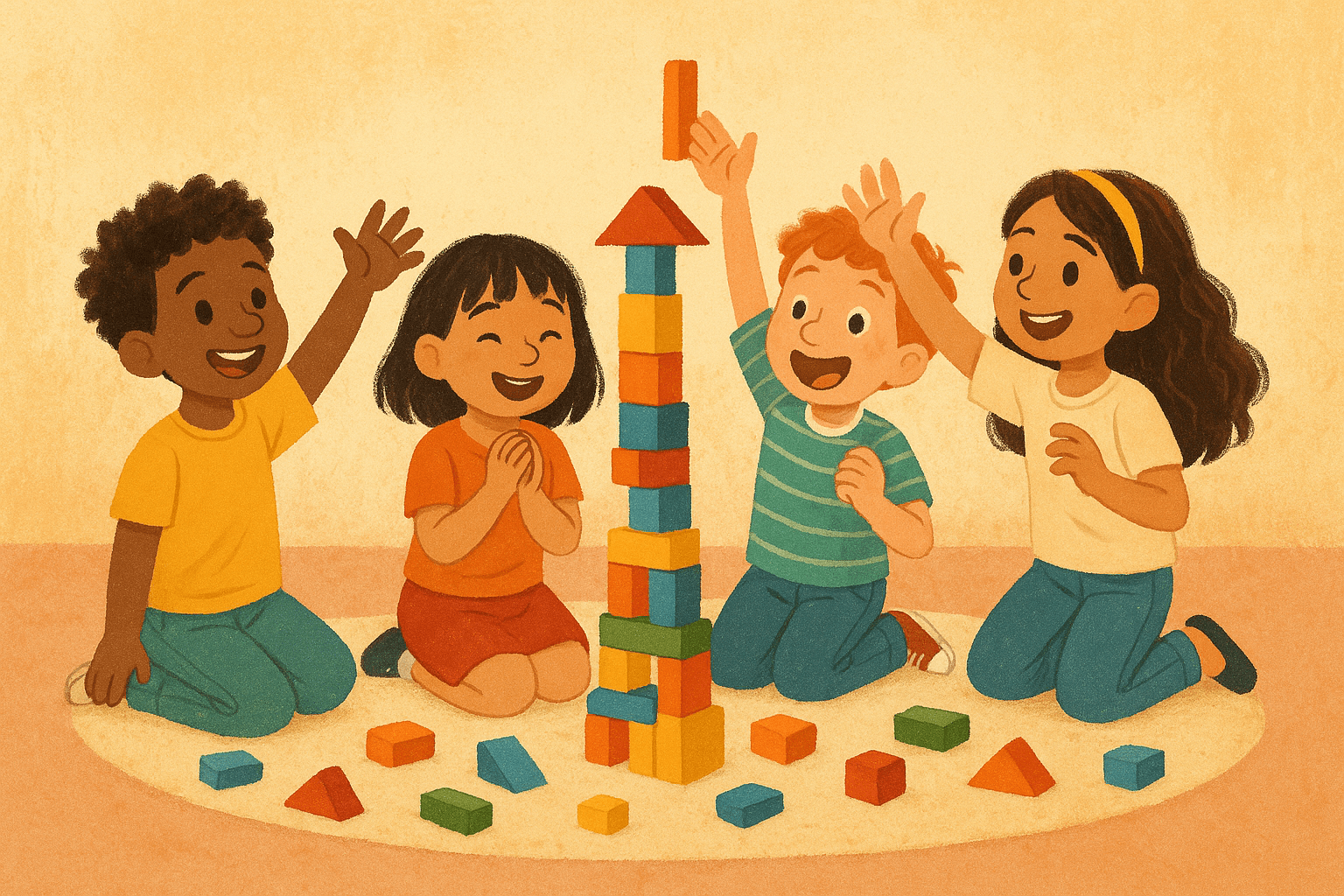
* Strategy: Offer firm teething toys chilled in the fridge. Use consistent phrases like "Teeth are for food" or "Gentle touches." Redirect energy to appropriate activities like chewing, blowing bubbles, or stacking blocks.
* What to Avoid: Don't expect complex apologies. Time-outs are generally ineffective at this age; a brief physical separation with you ("I need to move you to keep Sam safe") is sufficient.
2-3 Years: The Emotional Experimenters
Focus is on naming emotions, teaching alternatives, and building impulse control.
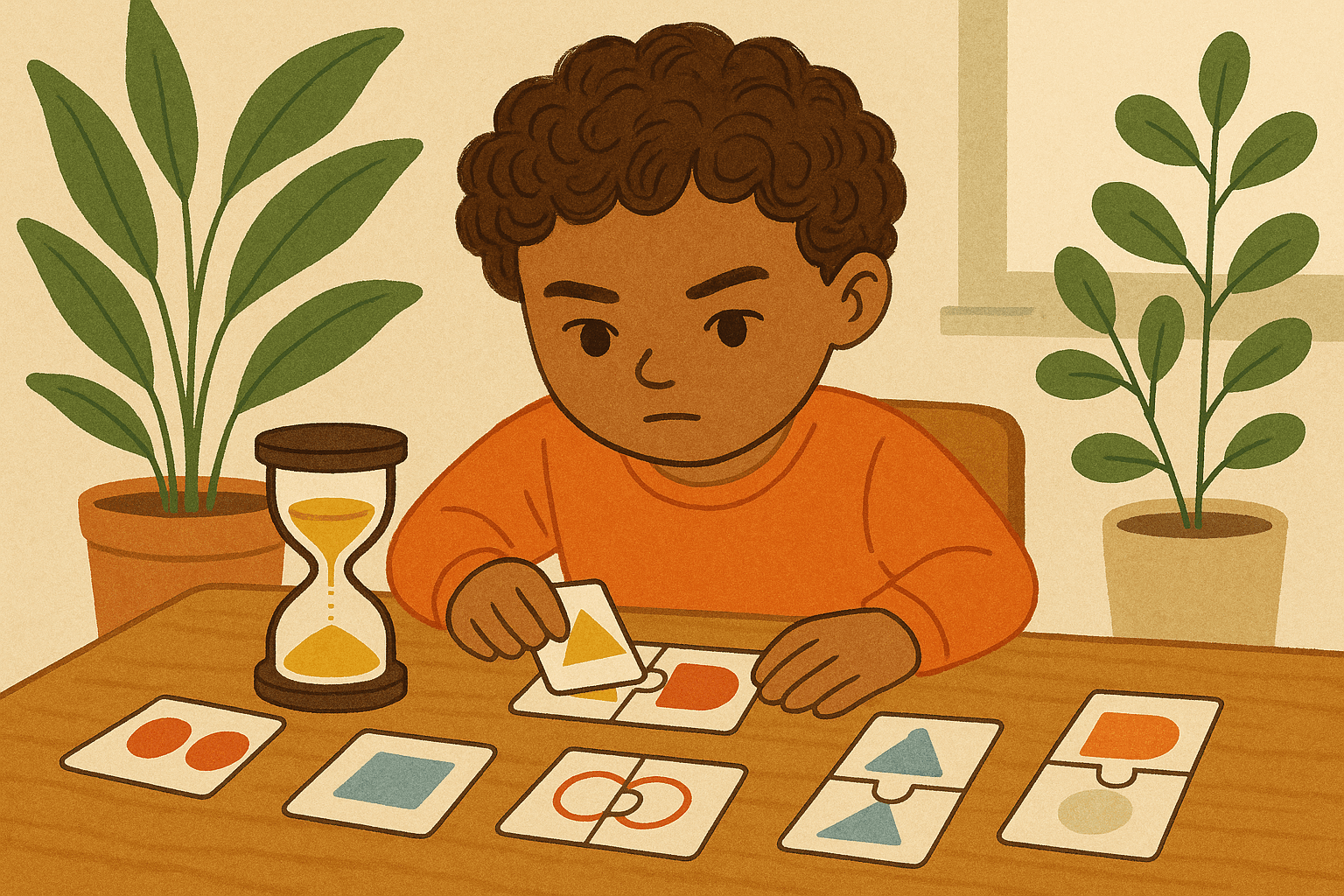
* Strategy: Create an "anger ritual" like stomping feet or squeezing a pillow. Use emotion cards or books to label feelings. Practice phrases like "I'm mad!" or "I need space!" through role-play with dolls.
* What to Avoid: Avoid biting them back. This teaches that violence is an acceptable response and models the exact behavior you want to stop.
What to Avoid: Common but Counterproductive Reactions
* Biting Back: This is confusing, frightening, and reinforces that biting is powerful.
* Overly Harsh Punishment: Shaming, yelling, or lengthy isolation can increase anxiety and worsen the behavior.
* Labeling: Calling a child "a biter" can become a self-fulfilling prophecy.
* Forcing Insincere Apologies: A growled "sorry" means nothing. Focus on the action of making amends.
* Inconsistency: Responding differently at home vs. daycare or from one day to the next confuses the child.
The Proactive Playbook: Preventing Biting Before It Starts
Prevention is about filling their cups *before* they run empty.
* Monitor Triggers: Keep a simple log. Is it near nap time? During transitions? When the playgroup gets too crowded? Patterns will emerge.
* Offer Control: Use choices throughout the day ("Red cup or blue cup?") to satisfy the need for autonomy.
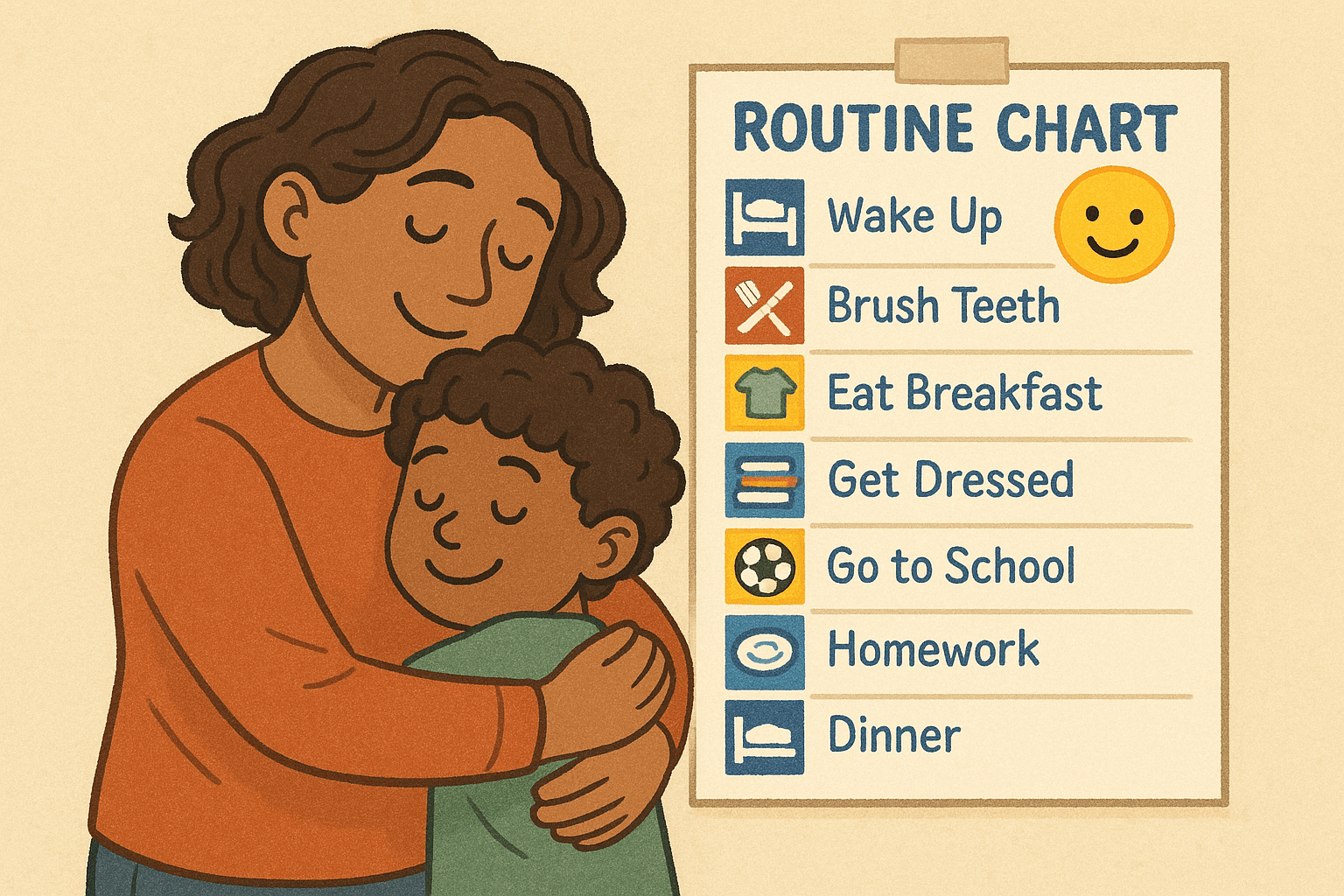
* Schedule Predictability: Consistent routines for meals, naps, and play provide a sense of security that reduces overall frustration.
* Label Emotions Relentlessly: Be their emotion commentator: "You're feeling frustrated because the puzzle piece won't fit. That's hard!"
A Quick Weekly Plan for Consistency
* Monday (Connection Day): 15 minutes of uninterrupted, child-led play. Fill their emotional tank.
* Tuesday (Emotion Coaching): Read a book about feelings at bedtime. Name the characters' emotions.
* Wednesday (Skill Practice): Role-play "asking for a turn" with stuffed animals during play.
* Thursday (Body Check): Evaluate sleep and meal routines. Are they getting enough of both?
* Friday (Observation Day): Simply observe. What precedes moments of tension or calm?
* Weekend (Energy Outlet): Engage in big physical play—dancing, running, wrestling—to release pent-up energy safely.
When to Seek Additional Support
While most biting is a phase, consult your pediatrician or a child development specialist if:
* The behavior is frequent, intense, and doesn't lessen with consistent intervention over 2-3 months.
* Your child is biting themselves or others hard enough to cause significant injury.
* Biting is accompanied by other concerning behaviors (extreme withdrawal, aggression, or language regression).
* You suspect underlying factors like speech/language delays, sensory processing differences, or significant family stress that may be contributing.
FAQ: Your Pressing Questions, Answered
Q: My toddler bites me during breastfeeding/nursing. What should I do?
A: This is very common during teething or distractibility. The key is to end the session calmly and immediately. Gently break the latch with your finger, say a firm "No biting, biting hurts," and set them down for a brief moment (30 seconds). Then you can offer a teether or resume. They quickly learn biting means the comforting session pauses.
Q: The daycare is threatening to expel my child over biting. How do I work with them?
A: Approach this as a partnership. Schedule a calm meeting. Share the strategies you're using at home and ask about their protocol. Develop a unified plan: What is their immediate response? How do they communicate incidents? What are the child's triggers there? A collaborative, proactive approach shows you're taking it seriously.
Q: My child only bites at daycare, never at home. Why?
A: The daycare environment is inherently more stressful: more noise, competition for toys and attention, complex social rules, and potentially different caregiver responses. Work with the providers to identify specific triggers (transitions, crowded areas) and ensure they are using the same calm, consistent response you do.
---
Navigating your toddler's biting phase requires patience, detective work, and a great deal of deep breathing. Remember, your goal is not just to stop the behavior, but to help your child build the emotional literacy and self-regulation skills that will serve them for a lifetime. You are not alone in this. By responding with connection and calm guidance, you are building a stronger, more trusting relationship with your child, one gentle interaction at a time.
Your Next Step: This week, choose *one* proactive strategy from the weekly plan—perhaps starting with 15 minutes of dedicated playtime or introducing an emotion word like "frustrated." Consistency in small steps creates lasting change. Observe, connect, and trust that this phase, like all others, will pass.