Understanding the Storm: A Compassionate, Practical Guide to Toddler Tantrums
Tantrums are a normal, healthy part of toddler development. This guide offers a science-backed, empathetic approach to navigating these emotional storms, helping you and your child build resilience and connection.
Related Guides
- /blog/toddler-behavior-guide
- /blog/global-child-discipline
- /blog/global-toddler-biting
If you’ve ever stood in a grocery aisle, feeling the heat of a hundred stares as your toddler melts down over the wrong color cup, you are not alone. Tantrums are a universal, developmentally appropriate part of early childhood. They are not a sign of poor parenting or a “bad” child; they are the raw, unfiltered expression of a little brain learning to cope with big feelings in a complex world. This guide aims to shift your perspective from “managing misbehavior” to “supporting development,” offering practical, evidence-informed strategies to navigate these storms with empathy and effectiveness.
What's Really Happening Inside: The Science of the Meltdown
A tantrum is a neurological event. The toddler brain is a construction zone, with the emotional, impulsive limbic system running the show while the logical, self-regulating prefrontal cortex is still under major development (and won't be fully wired until early adulthood!). When a toddler is tired, hungry, overstimulated, or frustrated, their brain can become flooded with stress hormones. This effectively hijacks their higher reasoning, leaving them in a state of pure emotional and physiological overwhelm. They aren't *choosing* to tantrum; they have *lost the ability* to cope. Understanding this helps us respond with support rather than anger.
The Two Types of Tantrums: Distress vs. Demand
Recognizing the type of tantrum can guide your response.
* Distress Tantrums (The “Limbic Tsunami”): This is a true emotional flood. The child is crying, screaming, may push you away, and seems inconsolable. Their body is in fight-or-flight. They need co-regulation—your calm presence to help them calm down.
* Demand Tantrums (The “Test”): This is more behavioral. There are often tears, but you might see them peeking to check your reaction. It’s an attempt to influence the environment (e.g., “I want that cookie!”). This requires a calm, consistent, and boundaried response.
Most tantrums start as distress and can morph into demand, or vice-versa. Your attunement is key.
Your Playbook: How to Respond in the Moment
Your primary goal is not to stop the emotion but to provide safety and teach regulation.
1. Check Your Own Oxygen Mask First: Take a deep breath. Your calm is the anchor. If you escalate, the storm will intensify.
2. Ensure Safety: If they are hitting or throwing, move them or objects to a safe space. Use simple words: “I won’t let you hit. I’m moving you to keep us safe.”
3. Get Low and Connect: Kneel to their level. Use a gentle, firm tone. Avoid a barrage of questions.
4. Name the Feeling and Validate: “You are so, so mad. You really wanted to keep playing. It’s hard to stop.” This doesn’t mean you agree with the behavior, but you acknowledge the emotion.
5. Offer Co-Regulation: For distress tantrums, you might say, “I’m right here. Let’s take a big breath together.” A gentle hand on the back or a simple hug (if they accept it) can help soothe their nervous system.
6. Hold the Boundary with Empathy (for demand tantrums): “I hear you want the candy. We’re not having candy now. The answer is no.” Then, be a boring, consistent wall. Don’t negotiate.
7. Wait It Out: Sometimes, you must simply be a calm, present witness until the emotional wave passes.
Age-Banded Insights: 18 Months vs. 3 Years
* 18-24 Months: Tantrums are often driven by communication frustration. They have big ideas but limited words. Focus on simple language, offering choices (“Red cup or blue cup?”), and using gestures.
* 2-3 Years: Driven by a need for autonomy (“I do it myself!”) and rigid thinking. Offer limited control within boundaries (“Do you want to put on your left shoe or right shoe first?”). Prepare for transitions with warnings.
* 3-4 Years: More social and complex; tantrums may involve testing limits, shame, or peer conflict. Use more sophisticated feeling words (“You feel disappointed and left out”). Problem-solve together after calm is restored.
Prevention is Power: Building a Tantrum-Resilient Routine
You can’t prevent all tantrums, but you can stack the deck in your favor.
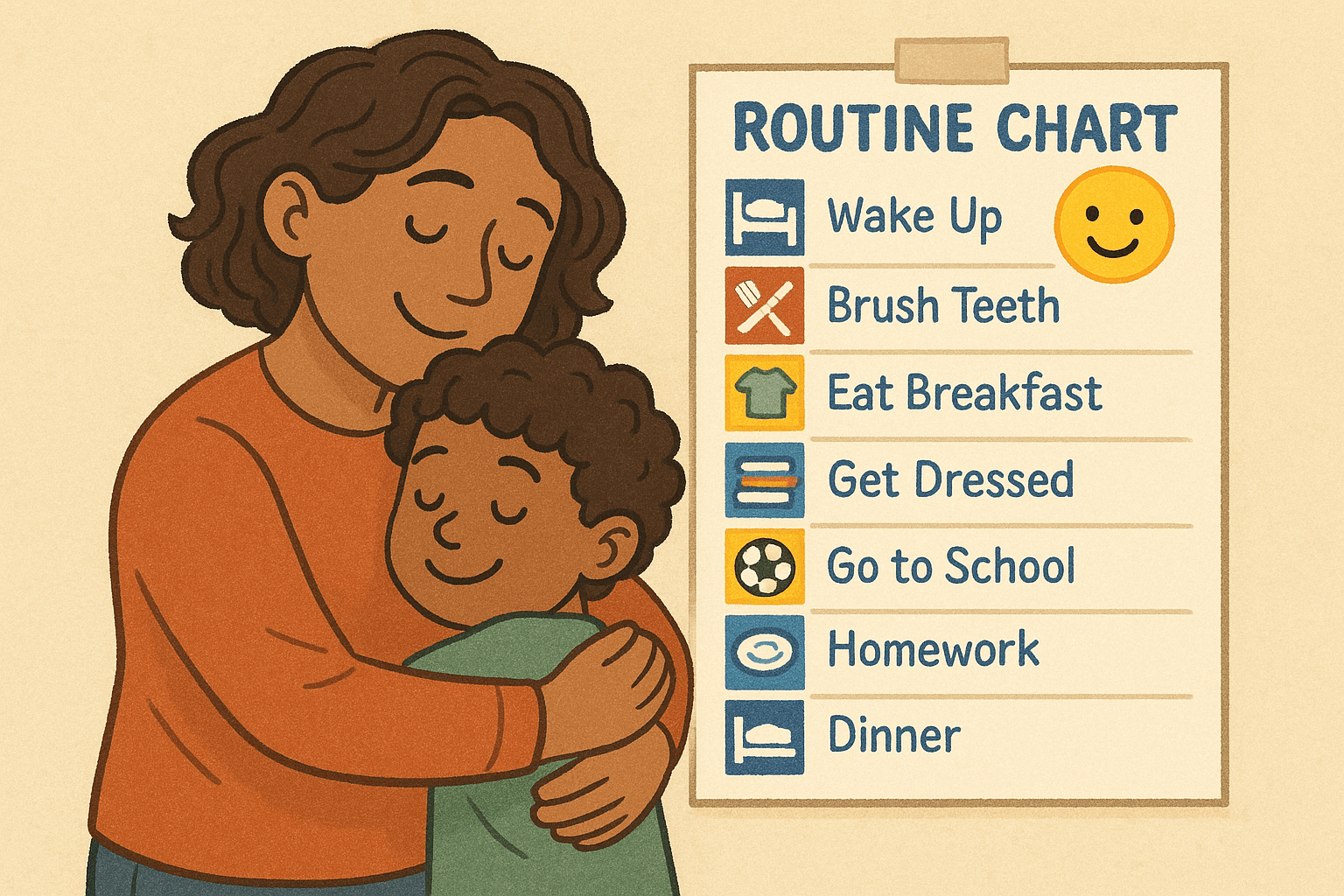
* The Power of Predictability: Toddlers thrive on routine. Consistent meal, snack, nap, and bedtime schedules prevent hunger and fatigue meltdowns.
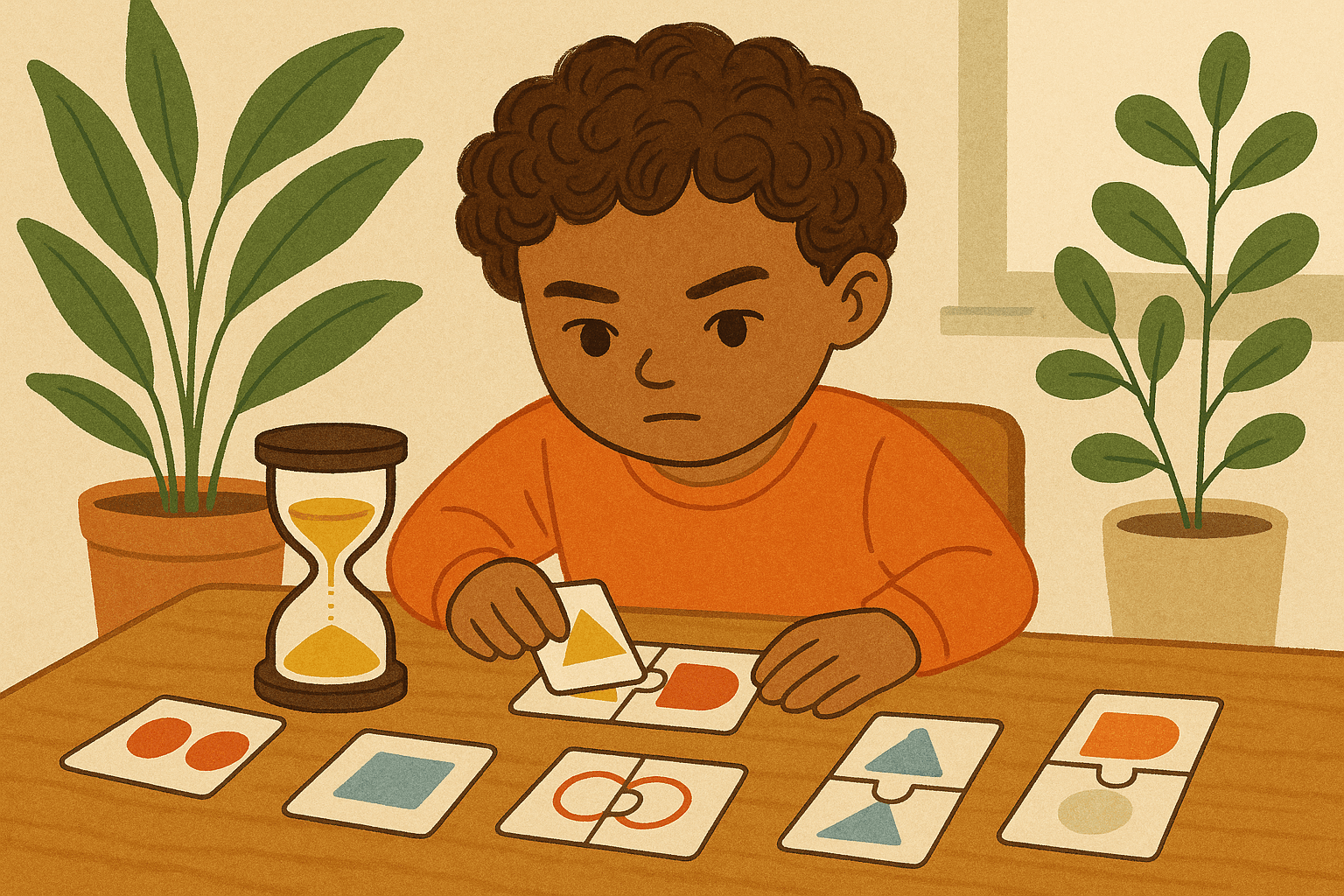
* Master Transitions: Use visual timers, 5-minute warnings, and songs (“It’s almost time to go. Let’s sing our clean-up song!”).
* Offer Controlled Choices: “Would you like to wear the dinosaur shirt or the space shirt?” This satisfies the autonomy need.
* Ensure Physical Outlets: Ample time for big movement (running, climbing, dancing) helps regulate mood.
* Pre-empt Hunger: Always carry healthy snacks. “Hangry” is a real toddler state.
What to Avoid: Common Well-Intentioned Mistakes
* Reasoning During the Storm: Logic cannot penetrate a flooded brain. Save lessons for later.
* Punishing the Emotion: Saying “Go to your room until you stop crying” teaches them feelings are bad and they are alone in them.
* Giving In to Demand Tantrums: This teaches that escalation works, increasing future tantrums.
* Shaming or Labeling: Avoid “You’re being a bad boy” or “Stop acting like a baby.”
* Ignoring Distress Tantrums: While ignoring attention-seeking behavior can work, ignoring genuine distress can be emotionally damaging. Learn to discern the difference.
A Quick Weekly Plan for Calmer Days
* Monday: Focus on physical play after daycare/preschool to release pent-up energy.
* Tuesday: Implement a consistent 5-minute warning before all transitions.
* Wednesday: Practice naming emotions using books or dolls when everyone is calm.
* Thursday: Audit the snack schedule. Add a mid-morning protein-rich snack.
* Friday: Introduce a simple visual schedule (pictures of daily activities).
* Weekend: Prioritize connection time—15 minutes of uninterrupted, child-led play.
When to Seek Additional Support
Tantrums are normal. Consult your pediatrician or a child mental health professional if you notice:
* Tantrums that regularly last longer than 25 minutes or occur multiple times per hour, daily.
* Your child regularly harms themselves, others, or property during tantrums.
* They cannot calm themselves at all, even with your support, by age 4.
* They hold their breath until they faint.
* Tantrums are accompanied by frequent nightmares, severe separation anxiety, or regression in skills like toilet training.
This may indicate underlying sensory, emotional, or developmental needs.
FAQ: Your Pressing Questions, Answered
Q: Should I just walk away and ignore a tantrum?
A: It depends. For a manipulative demand tantrum in a safe space, calmly saying “I won’t listen while you’re screaming. I’ll be over here when you’re calm” can be effective. For a distress tantrum, walking away can feel like abandonment. Stay present, even if quietly nearby, to offer co-regulation.
Q: Is it okay to hold my child during a tantrum?
A: For many children, deep pressure can be calming. You can offer a hug by saying, “I’m going to give you a hug to help you calm down.” If they push away, respect it. “Okay, I’m right here. You can come for a hug when you’re ready.” Never force physical restraint unless it’s solely for safety.
Q: My toddler has a tantrum every bedtime. What can I do?
A: This is often about separation and transitions. Solidify a predictable, calming 20-minute routine (e.g., bath, book, cuddle, song). Use a comfort object. After goodnights, be boring and consistent. If they get up, calmly and wordlessly return them to bed. The key is relentless, loving consistency.
The Long View: Tantrums as Teachable Moments
Every tantrum is an opportunity. It’s a chance to teach your child that their feelings are valid and manageable, that they are loved even when they are unlovable, and that relationships can withstand conflict. By responding with connection and calm consistency, you are not just surviving a phase—you are building the neural pathways for their future emotional intelligence, resilience, and self-regulation. The storm will pass, and the foundation you build will last a lifetime.
Ready to go deeper? Choose one strategy from the weekly plan to implement this week. Observe what happens. Remember, progress, not perfection, is the goal for both of you.