More Than Kicks and Punches: How Martial Arts Nurtures Your Child's Mind, Body, and Character
Discover how martial arts training offers Indian children far more than self-defense—it's a holistic discipline that builds confidence, focus, resilience, and physical health in a structured, values-driven environment.
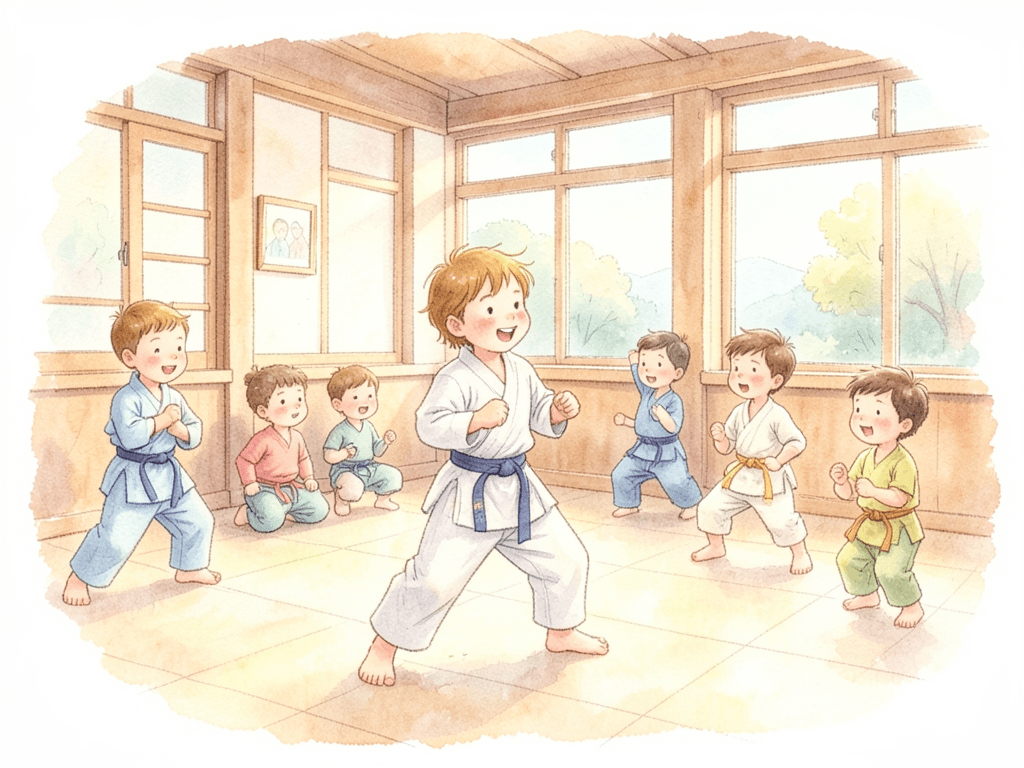
As parents, we're constantly seeking activities that do more than just fill our children's afternoons. We want pursuits that build character, instill discipline, and create a foundation for lifelong wellbeing. Martial arts—often misunderstood as merely about combat—is one of the most comprehensive developmental tools available. It's not about learning to fight; it's about learning *not* to fight, while developing an unshakable inner strength. For Indian families navigating competitive academic environments and digital distractions, martial arts offers a sanctuary where children learn to channel their energy, respect themselves and others, and build resilience that extends far beyond the training hall (or *dojo*).
What Martial Arts Truly Teaches (Beyond Self-Defense)
Modern martial arts for children is fundamentally an education in movement, mindfulness, and morality. The physical techniques are simply the vehicle for deeper lessons. At its core, it teaches:
- Self-regulation: Children learn to control their bodies, which directly translates to better emotional control.
- Respectful interaction: The bowing ritual isn't empty tradition; it's constant practice in showing respect to instructors, peers, and the space itself.
- Growth mindset: The belt system visually represents progress through effort, teaching that advancement comes through consistent practice, not innate talent.
- Mind-body connection: Techniques require coordination, balance, and awareness—skills that improve academic focus and physical confidence.
Finding the Right Fit: Which Martial Art for Which Child?
Not all martial arts are the same, and different disciplines suit different temperaments. Here's a quick guide:
For the energetic, high-energy child (ages 4-7):
- Taekwondo: Emphasis on high kicks and dynamic movements helps burn energy while improving flexibility.
- Karatе: Basic katas (forms) provide structure for energetic kids who need clear boundaries.
For the quieter, more analytical child (ages 8-12):
- Judo: Focuses on leverage and technique over strength, rewarding strategic thinking.
- Kung Fu/Wushu: Flowing forms and animal styles engage creativity alongside discipline.
For teenagers seeking practical application (13+):
- Brazilian Jiu-Jitsu: Ground-based and highly technical, excellent for problem-solvers.
- Boxing/Muay Thai: High-intensity workouts that build exceptional fitness and confidence.
Visit multiple schools, watch classes, and ask if your child can try an introductory session. The right instructor matters more than the specific style.
Age-Appropriate Expectations: What Progress Looks Like
Ages 4-6 (Pre-Schoolers): Focus should be entirely on fun, basic motor skills, and following simple instructions. Expect games that teach balance ("balance beam kicks"), animal walks for coordination, and learning to bow and say "yes, sir/ma'am." Progress is measured in participation, not perfection.
Ages 7-10 (Primary School): Children can grasp sequences of 3-5 moves, understand basic discipline of the dojo, and begin light, controlled partner work. They should learn the school's core values (respect, perseverance) and earn their first belts through demonstrated effort.
Ages 11-14 (Middle School): Training becomes more technical and physically demanding. Students develop genuine skill, understand the philosophy behind techniques, and can mentor younger children. This is where character development deepens significantly.
The Parent's Role: Support Without Pressure
Your attitude directly influences your child's experience. Be a quiet supporter, not a sideline coach.
- Do: Attend belt tests to show your interest. Practice with them if they ask—let them teach you a move. Focus praise on effort ("I saw how hard you worked on that kick") rather than outcome ("You should have won that sparring match").
- Don't: Correct their technique unless you're a qualified instructor. Compare them to other children. Use training as punishment ("You misbehaved, so no karate this week").
Create a consistent pre-class routine: help them pack their uniform (*gi* or *dobok*), ensure they're hydrated, and arrive early so they can mentally transition into the training mindset.
A Realistic Weekly Integration Plan
Martial arts shouldn't overwhelm your child's schedule. Here's how to balance it:
For 2 classes per week (ideal for most children):
- Monday: School + homework. Evening rest.
- Tuesday: Martial arts class (60-90 mins). Light review of forms for 10 mins after dinner.
- Wednesday: Free play / other interests.
- Thursday: Martial arts class. Focus on one specific technique to improve.
- Friday: Family time.
- Saturday: 15-minute practice session of basics (stances, blocks, kicks).
- Sunday: Complete rest or active family outing.
Include 10 minutes of stretching on non-class days to maintain flexibility. Use the discipline of practice to reinforce other responsibilities: "Just as we practice our katas consistently, we also complete our homework consistently."
What to Watch For: Red Flags in a Martial Arts School
While most schools are excellent, be cautious of:
- Contracts requiring years of commitment: Monthly payments are standard.
- Excessive focus on tournaments/sparring for young children: Under age 10, competition should be minimal and strictly controlled.
- Instructors who humiliate or yell at children: Discipline should be firm but respectful.
- "Black belt in 2 years" promises: Earning a junior black belt typically takes 4-5 years of consistent training.
- Poor hygiene/safety: Mats should be clean, equipment well-maintained, and first aid available.
Trust your instincts. The atmosphere should feel disciplined yet supportive, not intimidating.
When It's More Than an Activity: Recognizing Developmental Benefits
You'll notice changes extending beyond the dojo:
- Improved school focus: The concentration needed for forms transfers to classroom attention.
- Better conflict resolution: Children often report using breathing techniques during disagreements.
- Enhanced physical confidence: Posture improves, reducing slouching over devices.
- Social confidence: The dojo becomes a second community with shared values.
If your child struggles with anxiety, aggression, or attention challenges, martial arts can be therapeutic, but it's not a substitute for professional help. Consult a child psychologist or occupational therapist if you have significant concerns, and inform their instructor to ensure appropriate support.
Frequently Asked Questions
Q: My child is not naturally athletic. Will they struggle or feel left behind?
A: Martial arts is uniquely adaptable. Good instructors modify exercises for different abilities. The belt system allows each child to progress at their own pace, competing only against their previous self. Many children who shy away from team sports thrive in this individual-yet-communal setting.
Q: Won't teaching my child to punch and kick make them more aggressive?
A: Research and centuries of tradition show the opposite. Martial arts channels aggressive energy into controlled, disciplined movement. The constant emphasis on respect, self-control, and using skills only for defense (or never at all) reduces reactive aggression. Children learn that true strength is restraint.
Q: At what age should my child start, and is it safe?
A: Many schools offer "tiny tiger" programs from age 4, focusing entirely on motor skills and listening through play. Safety is paramount: contact is minimal for young children, using pads and controlled drills. For older beginners, there's no "too late"—teen starters often progress rapidly due to better focus and physical comprehension.
Your Next Step: Beginning the Journey
The best way to understand martial arts is to experience it. Look for schools in your area that offer a trial class—most reputable ones do. When you visit, observe how the instructor interacts with students. Do they make eye contact? Do they correct with encouragement? Watch the senior students; their behavior reflects the school's culture.
Talk to your child about the possibility. Frame it as an adventure in learning about their own strength and capability. Then, take that first step together. The journey from white belt upward is a powerful metaphor for life itself: progress through persistence, mastery through humility, and strength through peace. Your child might learn how to break a board, but what they'll really be building is themselves.