The Importance of Sports in Child Development: A Guide for Indian Parents
Explore the multifaceted benefits of sports for children, and learn how to foster a supportive environment for their athletic journey.
Introduction
In India, sports are often viewed as a secondary pursuit, overshadowed by academic achievements. However, engaging children in sports can have profound impacts on their physical, emotional, and social development. This blog post aims to provide parents with insights into the benefits of sports, practical steps to encourage participation, and what to avoid to ensure a positive experience for their children.
The Physical Benefits of Sports
Participating in sports is crucial for a child's physical health. Regular physical activity helps in:
- Building Strength and Endurance: Sports require children to use their muscles, which strengthens them over time. Activities like running, swimming, or playing cricket enhance cardiovascular health and stamina.
- Improving Coordination and Balance: Many sports require precise movements and coordination, which can improve a child's motor skills. This is vital for their overall physical development.
- Maintaining Healthy Weight: Engaging in sports can help combat childhood obesity, which is becoming a significant concern in urban areas of India. It instills a habit of staying active, which can lead to a healthier lifestyle.
Actionable Steps:
- Encourage daily physical activity by setting aside time for sports or outdoor play.
- Introduce a variety of sports to your child to find what they enjoy most.
What to Avoid:
- Avoid making sports a chore; it should be a fun and engaging activity.
- Don’t pressure your child to excel; focus on participation and enjoyment instead.
Emotional and Social Development through Sports
Sports provide a unique platform for children to develop emotionally and socially. Here’s how:
- Building Self-Esteem: Mastering new skills in sports can significantly boost a child's confidence. Success, whether in practice or competition, fosters a sense of accomplishment.
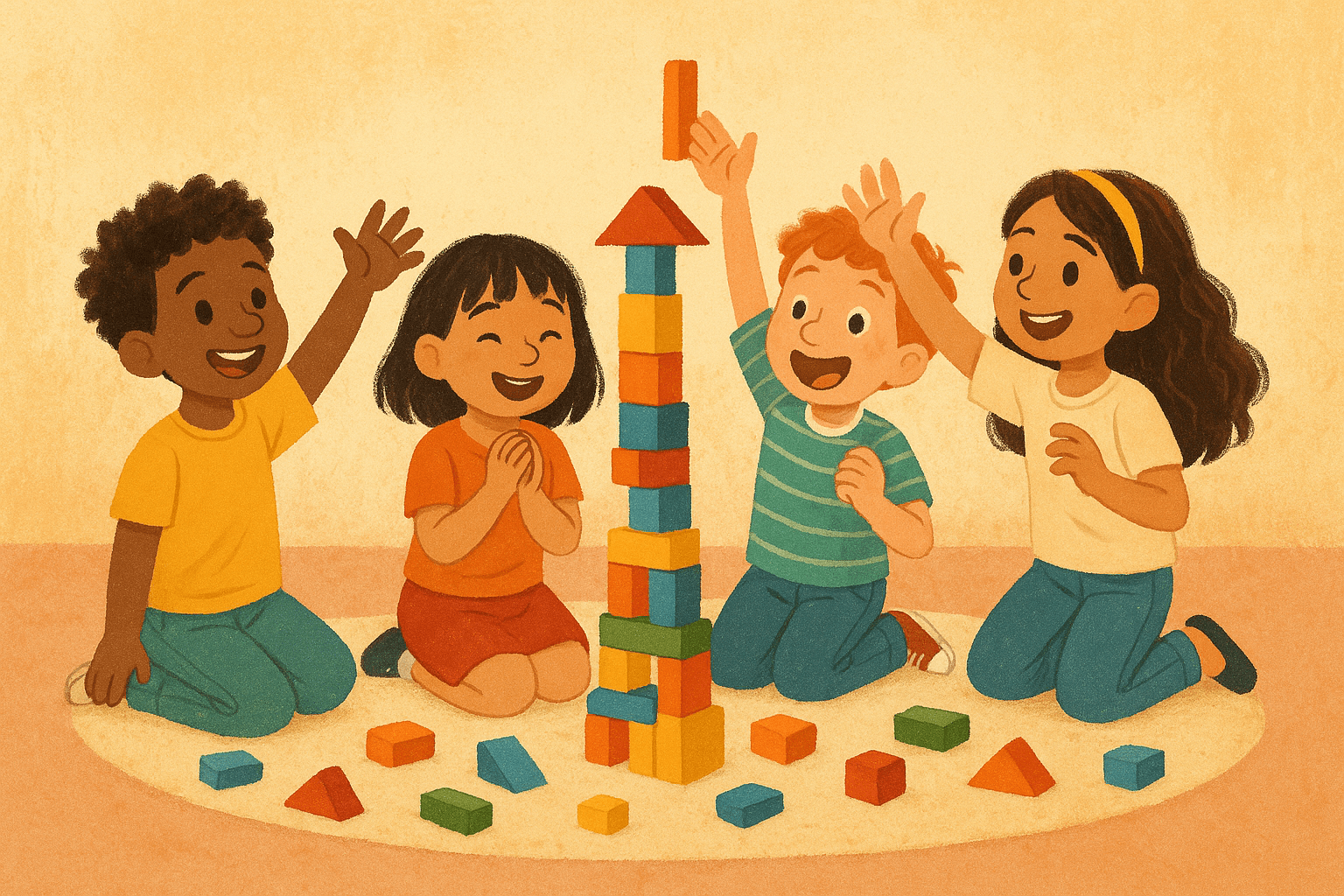
- Learning Teamwork and Cooperation: Many sports are team-based, teaching children the importance of working together towards a common goal. This skill is transferable to various aspects of life, including academics and future careers.
- Coping with Failure: Sports teach children how to handle both success and failure gracefully. Learning to lose and bounce back is an invaluable life lesson.
Actionable Steps:
- Encourage your child to participate in team sports to foster social connections.
- Discuss the importance of teamwork and resilience after games, regardless of the outcome.
What to Avoid:
- Avoid comparing your child’s performance with others; focus on their personal growth.
- Don’t dismiss their feelings about winning or losing; validate their emotions and encourage open conversations.
Developing Life Skills through Sports
Engaging in sports can help children develop essential life skills that extend beyond the playing field:
- Discipline and Time Management: Regular practice schedules instill a sense of discipline. Children learn to balance their time between sports, studies, and other responsibilities.
- Goal Setting: Setting and achieving goals in sports can teach children how to set realistic goals in other areas of their lives, such as academics or personal projects.
- Leadership Skills: Sports often provide opportunities for children to take on leadership roles, whether as a team captain or by encouraging teammates. These experiences can build confidence and leadership qualities.
Actionable Steps:
- Help your child set specific, measurable goals in their chosen sport.
- Encourage them to take initiative in practice or team settings to build leadership skills.
What to Avoid:
- Avoid micromanaging their schedules; let them take responsibility for their time management.
- Don’t overlook the importance of rest and recovery; ensure they have downtime to recharge.
Choosing the Right Sport for Your Child
Selecting the right sport for your child can significantly impact their experience:
- Consider Their Interests: Pay attention to what activities excite your child. If they enjoy swimming, encourage them to join a swimming class.
- Evaluate Their Physical Abilities: Some children may excel in sports that require strength, while others may do better in endurance-based activities. Choose a sport that aligns with their physical capabilities.
- Look for Local Opportunities: Research local clubs or schools that offer various sports programs. Many communities in India have sports academies that provide training for children.
Actionable Steps:
- Attend local sports events to expose your child to different sports.
- Discuss with your child the sports they would like to try and support their choices.
What to Avoid:
- Avoid forcing your child into a sport they show no interest in.
- Don’t ignore the importance of safety; ensure that the sport is appropriate for their age and skill level.
FAQ
Q: How do I know if my child is ready for competitive sports?
A: Look for signs of interest and enthusiasm. If your child enjoys practicing and is eager to participate in games, they may be ready. It's also essential to consider their emotional maturity and ability to handle competition.
Q: What if my child doesn't excel in sports?
A: It's important to remember that not all children will be top performers. Focus on the enjoyment, skills development, and social aspects of sports rather than just winning. Encourage them to appreciate their efforts and improvements.
Conclusion
Engaging children in sports can have numerous benefits, from physical health to emotional resilience and social skills. As parents, your role is to foster a supportive environment that encourages exploration and enjoyment of sports. Remember to focus on participation rather than perfection, and you’ll help your child develop a lifelong appreciation for physical activity.
Call to Action
If you’re looking for ways to get your child involved in sports, start by visiting local sports clubs or community centers. Encourage them to try different activities and find what they love. Remember, the goal is to create a positive experience that nurtures their growth and happiness.