Navigating Sibling Rivalry: A Guide to Fostering Harmony at Home
Sibling rivalry is a natural part of family life, but it doesn't have to define it. Learn practical strategies to transform competition into cooperation and build a more peaceful, connected home.
Related Guides
- /blog/toddler-behavior-guide
- /blog/india-child-discipline
- /blog/india-toddler-tantrums
The sight of your children arguing over a toy, or the sound of a heated debate over who gets the last piece of dessert, is a universal parenting experience. In the bustling, close-knit family dynamics common in our homes, sibling rivalry isn't just a minor annoyance—it can feel like a daily storm disrupting the peace. It's the 'paw-rolling' before the boxing match, that tell-tale sign of brewing conflict. But this rivalry isn't a sign of failure; it's a complex dance of developing identities, seeking parental attention, and learning to navigate the world's first social network: the family. With empathy and intentional strategies, we can guide our children from competition to cooperation, building bonds that last a lifetime.
Understanding the Roots: Why Siblings Compete
Conflict between siblings springs from natural developmental needs. Young children see their parents' love and attention as a vital resource. When a new sibling arrives, or when an older one feels their territory invaded, they compete to secure this resource. It's also a testing ground for power, autonomy, and social skills. In Indian families, where shared spaces and collective living are common, the triggers can be specific: who gets to sit next to a parent during prayers or meals, who has control over the shared study table, or comparisons about academic or extracurricular achievements made by well-meaning relatives. Understanding that this behavior is rooted in a need for security and individuality, not malice, is the first step toward managing it.
What to Avoid: Common Reactions That Fuel Fire
Our instinctive responses can often escalate tensions. Avoid these common pitfalls:
1. Comparing Children: Even "positive" comparisons ("Why can't you draw like your sister?") breed resentment and insecurity.
2. Always Playing Judge: Immediately intervening to declare who is right and wrong creates a courtroom atmosphere and encourages tattling.
3. Favoritism: Subtle biases, like always believing the older child or automatically siding with the younger, destroy trust.
4. Labeling Roles: "You're the responsible one," "You're the troublemaker"—these lock children into adversarial roles.
5. Punishing Both Equally for Unequal Fault: This teaches injustice rather than resolution.
Age-Banded Strategies: Tailoring Your Approach
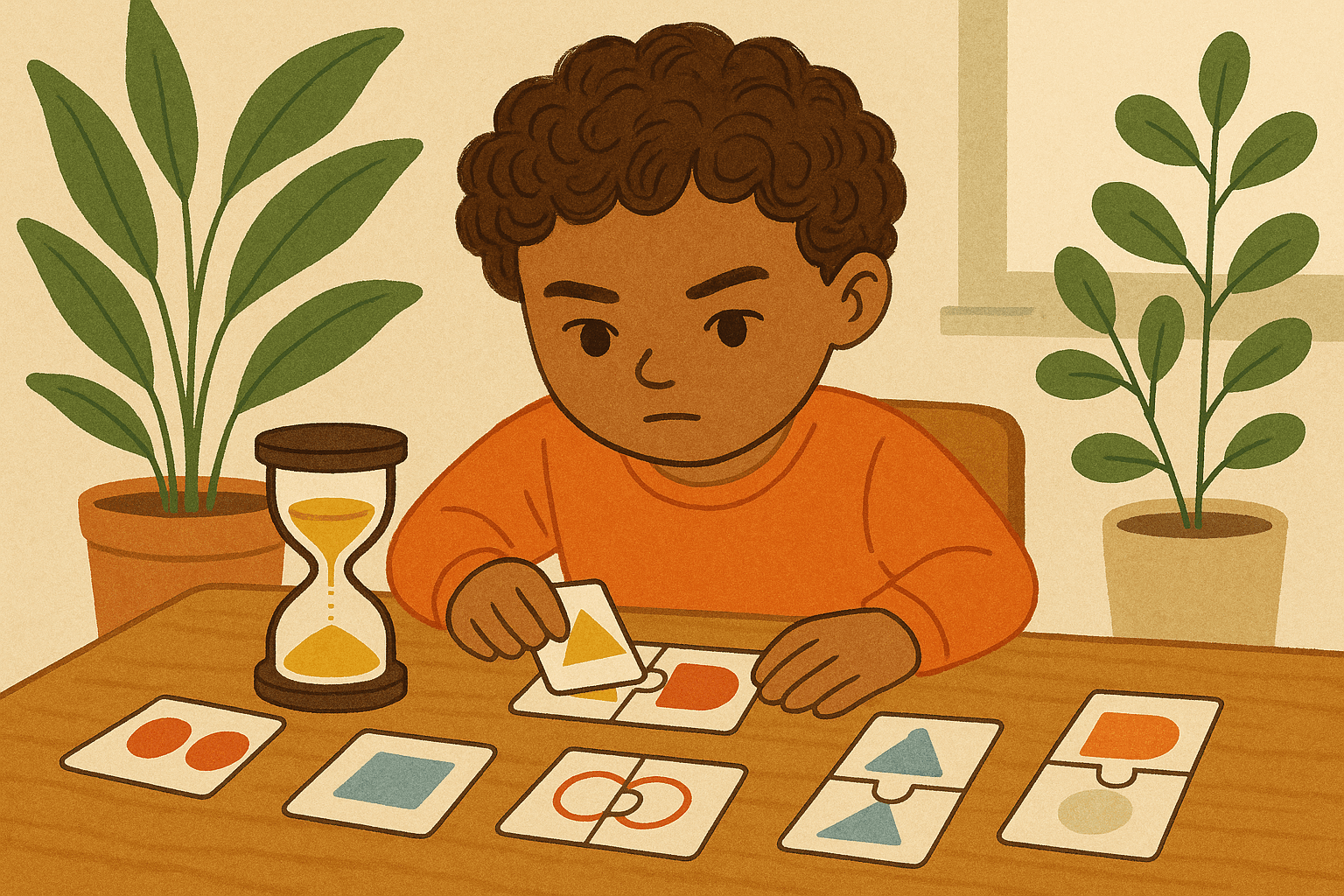
For Toddlers & Preschoolers (2-5 years): Conflict is about immediate needs and possessions. Use simple language: "I see you both want the red car. Let's find the blue car too." Implement a timer for turn-taking. Create routines where each child has a special, non-shared item for playtime. Praise cooperative play enthusiastically.
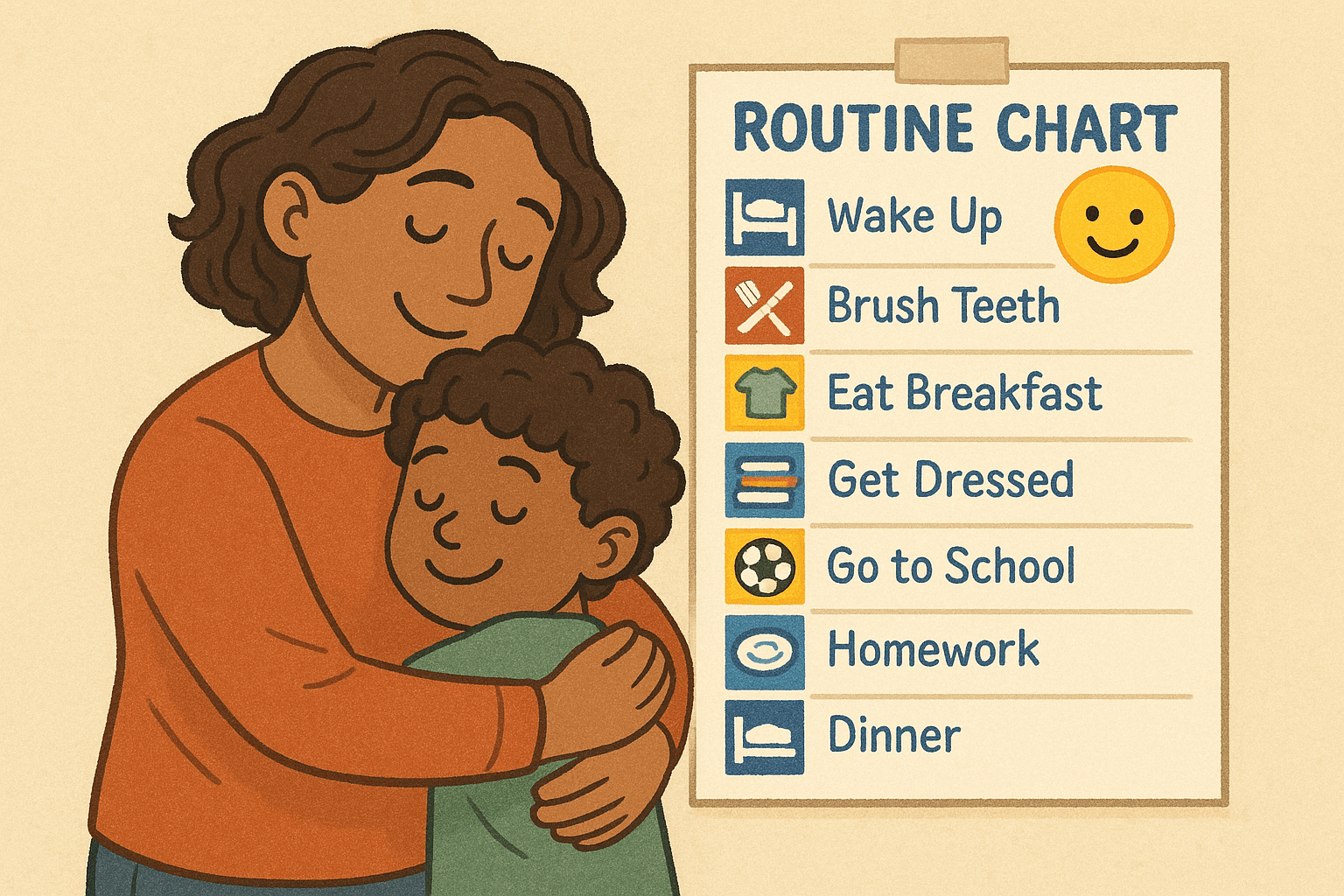
For School-Age Children (6-12 years): Rivalry often centers on fairness, achievement, and perceived equity. Establish clear, written family rules about sharing space and belongings. Hold weekly "family meetings" where children can voice grievances in a structured way. Focus on each child's unique strengths without linking them to the sibling. "You are so creative with your stories," and "You are so determined in your math practice."
For Teenagers (13+ years): Conflict evolves into clashes over privacy, independence, and social status. Respect their need for private space—a locker, a designated shelf, agreed-upon "do not disturb" times. Facilitate, but don't force, shared activities they both enjoy, like a movie night or cooking a meal together. Encourage them to negotiate their own solutions with you as a moderator, not a judge.
Building a Foundation of Individuality & Teamwork
Prevent rivalry by strengthening each child's sense of self and their connection to the family unit.
- Special Time: Ensure each child gets 15-20 minutes of undivided, one-on-one time with a parent each day, doing something they choose. This fills their "attention cup" without competition.
- Unique Celebrations: Celebrate each child's achievements and milestones separately, without automatically linking it to the sibling's performance.
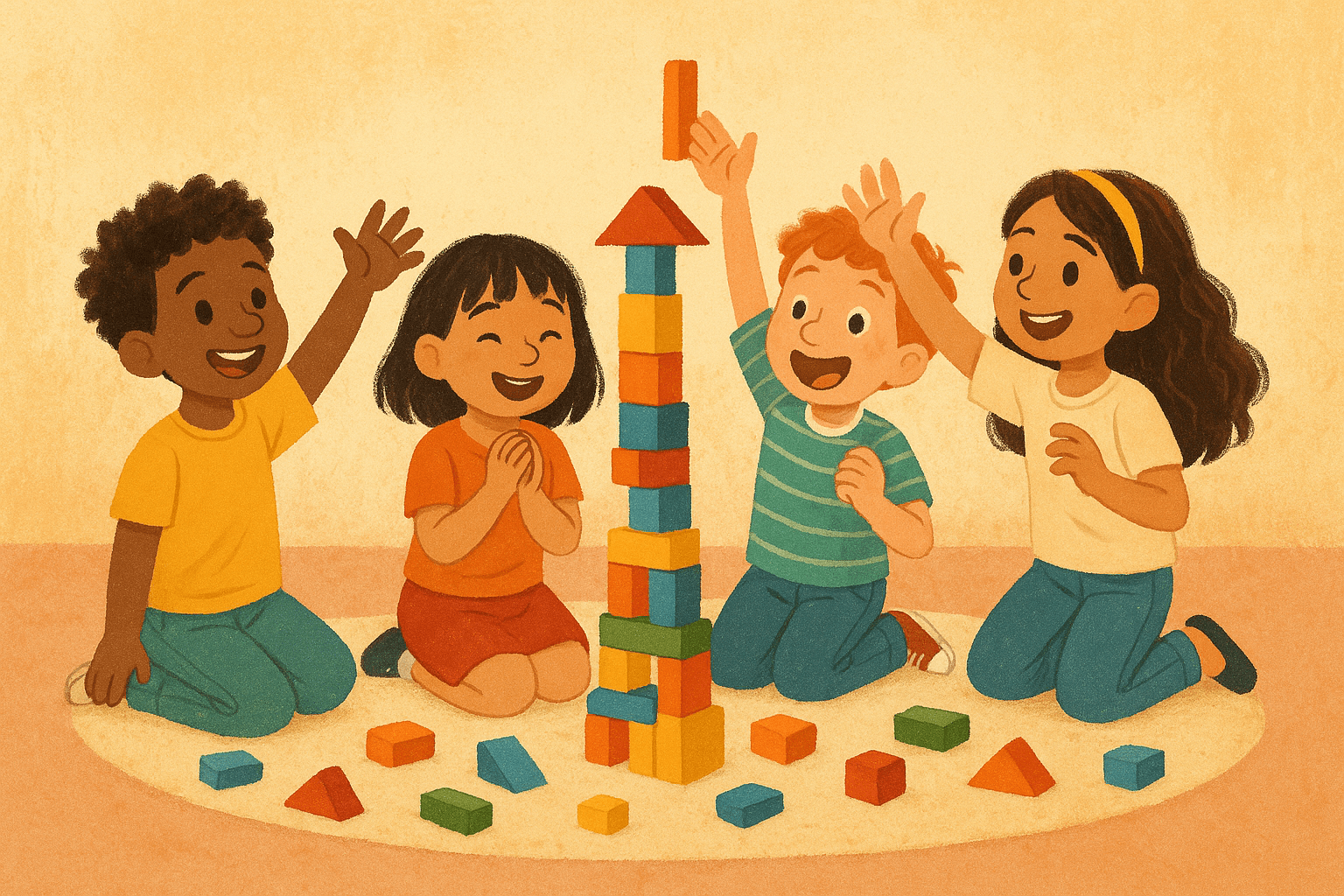
- Family Team Identity: Create regular family activities where success depends on cooperation—a board game, a cooking project, or decorating for a festival. Use phrases like "Our family team decided..."
The Peaceful Intervention: How to Step In Effectively
When conflict erupts, your role is a coach, not a referee.
1. Calm the Environment: Use a neutral tone. Say, "I hear loud voices. Let's all take a deep breath."
2. Listen to Both Sides: Give each child a chance to state their case without interruption. Summarize: "So, you feel she took your book without asking, and you feel you needed it for homework."
3. Focus on Feelings, Not Fault: Ask, "How did that make you feel?" This shifts the focus from blame to empathy.
4. Ask for Solutions: Pose, "What can we do to solve this so both feel okay?" Guide them toward a fair compromise.
5. Reinforce the Bond: After resolution, suggest a small cooperative act: "Now, maybe you can both help me set the table for dinner."
A Quick Weekly Plan for Sibling Harmony
Incorporate these small, consistent practices into your week:
- Monday (Appreciation Day): At dinner, each person shares one thing they appreciated about another family member that day.
- Tuesday (One-on-One Time): Parent spends special time with Child A.
- Wednesday (Shared Fun): Organize a short, fun activity for the siblings only, like building a Lego model together.
- Thursday (One-on-One Time): Parent spends special time with Child B.
- Friday (Family Meeting): 10-minute meeting to discuss any issues and plan the weekend.
- Saturday (Team Task): Siblings work as a pair on a household task (e.g., watering plants, tidying the living room).
- Sunday (Individual Choice): Each child gets to make one personal choice for the family (e.g., choose a dessert, pick a game).
When to Seek Further Guidance
While most rivalry is normal, persistent patterns of physical aggression, intense bullying, severe anxiety, or social withdrawal in one child warrant a deeper look. If conflicts are causing significant daily distress, impacting a child's self-esteem, or you feel unable to manage the dynamics, consider consulting a child psychologist or counselor. They can provide tailored strategies and support for your family's unique situation.
FAQ: Your Quick Questions Answered
Q: My older child (7) constantly teases and belittles the younger (4). How do I stop this?
A: This often stems from the older child feeling their status is threatened. Instead of punishing, give the older child positive status. Enlist them as a "helper" or "teacher" for safe, fun tasks with the younger one (like teaching a simple game). Praise their helpful role specifically. Also, ensure the older child gets ample one-on-one time to express their feelings about the sibling.
Q: Everything becomes a fight—from TV channels to who gets the bigger fruit. How do I reduce the daily battles?
A: Implement predictable systems. Use a visible rotation chart for TV time or choice of fruit. For frequently contested items, institute a "timer system" for turn-taking. The key is removing you as the daily arbitrator by setting up automatic, fair routines they can see and follow.
Q: My children are polite in public but fight viciously at home. Is this normal?
A: Yes, this is very common. Home is their safe, emotional laboratory where they test boundaries and express unfiltered feelings. The fact they behave well elsewhere shows they understand social norms. Use this as a positive point: "I know you can be so respectful, like you are with our guests. Let's try to use some of that patience with each other now."
Your Path Forward: Small Steps, Big Changes
Transforming sibling dynamics is a marathon, not a sprint. Start by picking one strategy from this guide—perhaps the weekly one-on-one time or the new method of intervention—and commit to it for a month. Observe the small shifts: a shared laugh, a resolved argument without your help, a spontaneous offer to share. These are your victories. Remember, your goal isn't a conflict-free home, but a home where conflict leads to growth, empathy, and a stronger, more resilient bond between your children. Begin today.