Toddler Gymnastics: Building Strength, Confidence & Joy Through Movement
Toddler gymnastics is less about flips and more about foundational development. Discover how safe, playful movement can build your child's physical literacy, brain connections, and self-esteem.
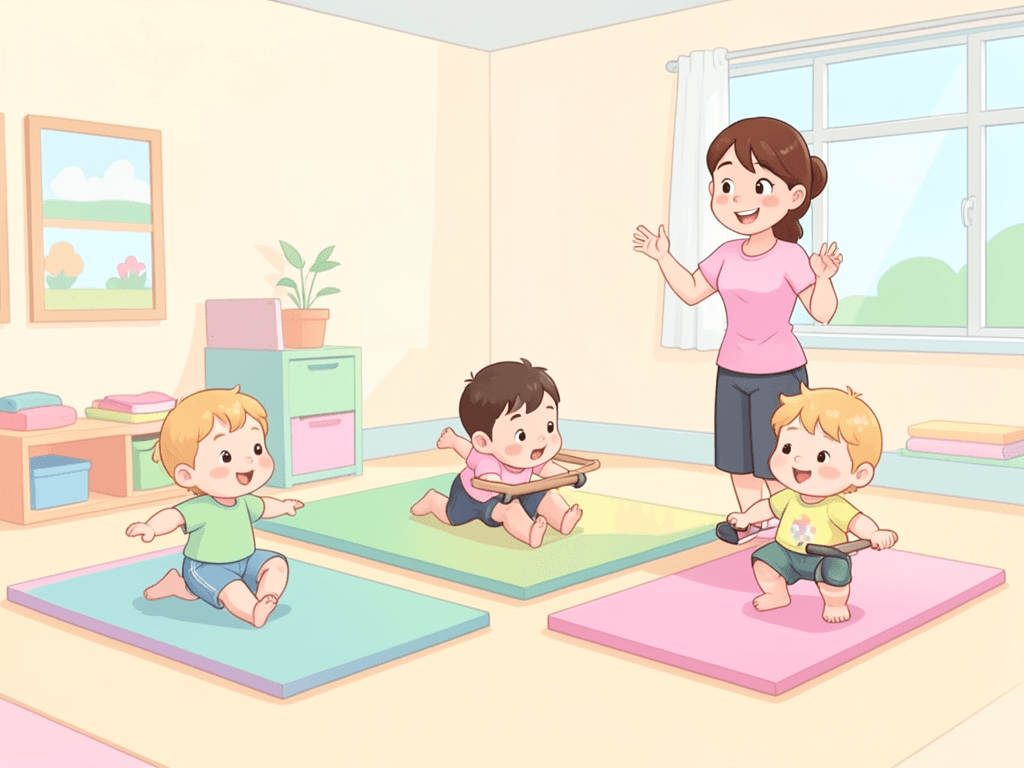
When you hear "gymnastics," you might envision Olympic-level flips and complex routines. For toddlers, however, gymnastics is something far more fundamental and magical. It's the joyful, guided exploration of what their amazing little bodies can do. In the crucial developmental window between 18 months and 4 years, structured yet playful movement forms the bedrock of physical literacy, cognitive growth, and emotional resilience. This isn't about creating tiny athletes; it's about nurturing capable, confident, and coordinated children who have a healthy, happy relationship with their bodies and physical activity.
Think of it as building the "hardware" for all future sports and physical tasks. The crawling, rolling, balancing, jumping, and hanging that form the core of toddler gymnastics directly develop core strength, bilateral coordination, spatial awareness, and vestibular (balance) systems. In the Indian context, where early academic pressures can sometimes overshadow physical play, integrating these activities at home provides a essential counterbalance, channeling natural toddler energy into developmental progress.
Why It's More Than Just Play: The Developmental Superpowers
Evidence-informed research consistently shows that targeted gross motor activity in the early years does wonders. It builds proprioception—your child's internal map of where their body is in space—which is crucial for everything from navigating a crowded room to holding a pencil correctly. It forges critical brain-body connections, with activities like crossing the midline (reaching across the body) supporting cognitive functions and future reading skills. Furthermore, mastering physical challenges—"I climbed onto the couch!"—builds a tangible sense of self-efficacy and confidence that spills over into other areas of life. It's a powerful antidote to hesitation and fear of new challenges.
Setting Up for Success: Your Safe Home "Gym"
You don't need a foam pit or balance beam. Safety and creativity are key. Clear a space in your living room, perhaps on a carpet or a yoga mat. Key items include:
* Cushions and Pillows: For safe climbing, rolling over, and building obstacle courses.
* A firm, low stool or step: For practicing step-ups and step-downs (with spotter!).
* A blanket: For gentle rolling games.
* A line of tape on the floor: A fantastic balance beam substitute.
* A sturdy, low table or chair: For practicing crawling under (develops spatial awareness).
What to Avoid: Never leave your toddler unattended. Avoid hard surfaces. Don't force or coax them into positions they are fearful of. Never hold or swing a toddler by their arms or hands, as this can easily cause "nursemaid's elbow" (a common, painful joint subluxation).
Age-Banded Activities: Meeting Your Toddler Where They Are
For Walkers (18-24 months): Focus on basics. Practice walking on different textures (carpet, mat, grass). Do animal walks (bear crawl, bunny hops). Roll a soft ball and have them chase it. Practice squatting to pick up toys. Sing songs with simple actions.
For the Active Explorer (2-3 years): Introduce more structure. Walk on the tape line, forwards and sideways. Jump off a low step (2-3 inches) with two feet, landing softly. Log rolls across a mat. Crawl through a tunnel made of chairs and blankets. Play "Simon Says" with movements like "touch your toes," "reach high," "stand on one foot with help."
For the Preschooler (3-4 years): Challenge coordination. Try forward rolls (somersaults) over a soft wedge or large pillow, with you guiding their hips. Balance on one foot for 2-3 seconds. Jump forward consecutively. Crab walks and wheelbarrow walks (hold their thighs, not ankles). Practice hopping.
A Quick Weekly Movement Plan (10-15 minutes daily)
* Monday - Balance Day: Tape line walks, standing on one foot (hold a chair), cushion walks.
* Tuesday - Rolling & Tumbling Day: Log rolls, gentle forward rolls over a pillow, rocking on back in a ball shape.
* Wednesday - Jumping & Landing Day: Two-foot jumps in place, jumping over a line, soft landings from a step.
* Thursday - Strength & Crawling Day: Bear walks, crab walks, crawling under tables, climbing over cushions.
* Friday - Free Play & Course Day: Build a simple obstacle course using all the week's elements!
* Weekend - Outdoor Extension: Practice skills at the park—climbing low structures, walking on curbs, swinging.
Recognizing the Right Class vs. Going Solo
A good toddler gymnastics class should feel like structured play, not disciplined training. Look for:
* A focus on exploration over perfection.
* Certified coaches trained in early childhood development.
* A clean, safe, and child-friendly environment.
* A no-pressure atmosphere where children can observe.
If a class is overly focused on drills, seems stressful, or the coaches move children's bodies aggressively, it's not the right fit. For many families, consistent, playful practice at home is perfectly sufficient at this age.
When to Pause and Seek Guidance
While minor stumbles are part of learning, be cautious. If your child shows persistent avoidance of certain movements, displays significant clumsiness compared to peers, complains of pain during or after activity, or if you notice asymmetry (e.g., always using one side), consult your pediatrician. They may recommend an assessment by a pediatric physiotherapist to rule out any underlying issues. Never ignore pain or extreme distress.
Fostering a Lifelong Love for Movement
Your attitude is everything. Be their cheerleader, not their critic. Use phrases like "You worked so hard on that balance!" instead of "You did it perfectly." Participate with them—make it a bonding activity. On days when energy is low, scale it back to five minutes of gentle stretching or rolling a ball. The goal is to make physical activity a source of joy, connection, and capability, setting a positive foundation for all sports and physical hobbies to come.
---
Frequently Asked Questions (FAQ)
Q: My toddler is cautious and doesn't want to try new movements. Should I push them?
A: Never force. Respect their temperament. Model the activity yourself with joy, or have a favorite toy "do" it. Break the skill down into tiny, achievable steps (e.g., just rocking back and forth before a full roll). Celebrate any attempt. Often, cautious children are keen observers and will try when they feel completely ready.
Q: We live in a small apartment. Is this still feasible?
A: Absolutely. The focus is on movement quality, not space. Clear a 6x6 foot area. A single mattress on the floor becomes a tumbling zone. A hallway can be a balance beam runway. Cushions from your sofa are climbing mountains. The constraints often spark more creativity.
Q: At what age should we consider a formal gymnastics class?
A
: Most quality programs start "pre-school" classes around age 3-4, where they follow simple circuits. Serious skill-based training shouldn't begin until much later (6-8 years). Until then, the primary goal is developing general athleticism—running, jumping, rolling, balancing—which can be wonderfully nurtured at home or in a general play-based movement class.
---
Ready to get started? Clear a small space this evening, put on some cheerful music, and join your toddler on the floor. Try just one thing: a line of tape to walk on, or a cushion mountain to climb over. Watch their focus, their determination, and their delight. You're not just playing—you're building the foundation for a strong, confident, and healthy child, one joyful movement at a time.