Toddler Tantrums: A Parent Expert Guide to Calm, Connection, and Better Behavior
Tantrums are a normal part of early childhood, not a parenting failure. Learn what causes toddler meltdowns, how to respond in the moment, and how to reduce tantrums long-term with calm, consistent strategies.
Related Guides
- /blog/toddler-behavior-guide
- /blog/india-child-discipline
- /blog/india-sibling-rivalry
Tantrums can be exhausting, especially when they happen in public or at the end of a long day. The most important thing to remember: tantrums are developmentally common in toddlers. At this age, children feel big emotions but still lack the brain maturity to regulate those emotions consistently.
This guide gives you practical, evidence-informed strategies to handle tantrums with confidence.
Why toddlers have tantrums
Most tantrums are triggered by one or more of these factors:
- Hunger, fatigue, overstimulation, or transition stress
- Limited language to express needs clearly
- Strong desire for independence (“I do it myself!”)
- Frustration when expectations exceed developmental ability
A tantrum is usually not manipulation. It is a stress response in a small nervous system still learning self-control.
What to do during a tantrum
1) Regulate yourself first
Your calm voice, slower breathing, and relaxed body posture help your child borrow regulation from you.
2) Keep language short and simple
Use brief phrases:
- “You’re upset. I’m here.”
- “You wanted more playtime. It’s hard to stop.”
- “I won’t let you hit.”
3) Hold the boundary, offer safety
You can be warm and firm at the same time. If behavior becomes unsafe, move your child gently to a safer space.
4) Avoid lectures in peak meltdown
Problem-solving works after the nervous system settles, not during the emotional peak.
What to do after the tantrum
Once calm returns:
1. Reconnect with affection and reassurance.
2. Name the feeling (“You were angry when the toy broke”).
3. Teach one replacement skill (ask for help, deep breath, stomp feet safely).
4. Move on without shame.
Repair after conflict builds emotional security and resilience.
How to reduce tantrums over time
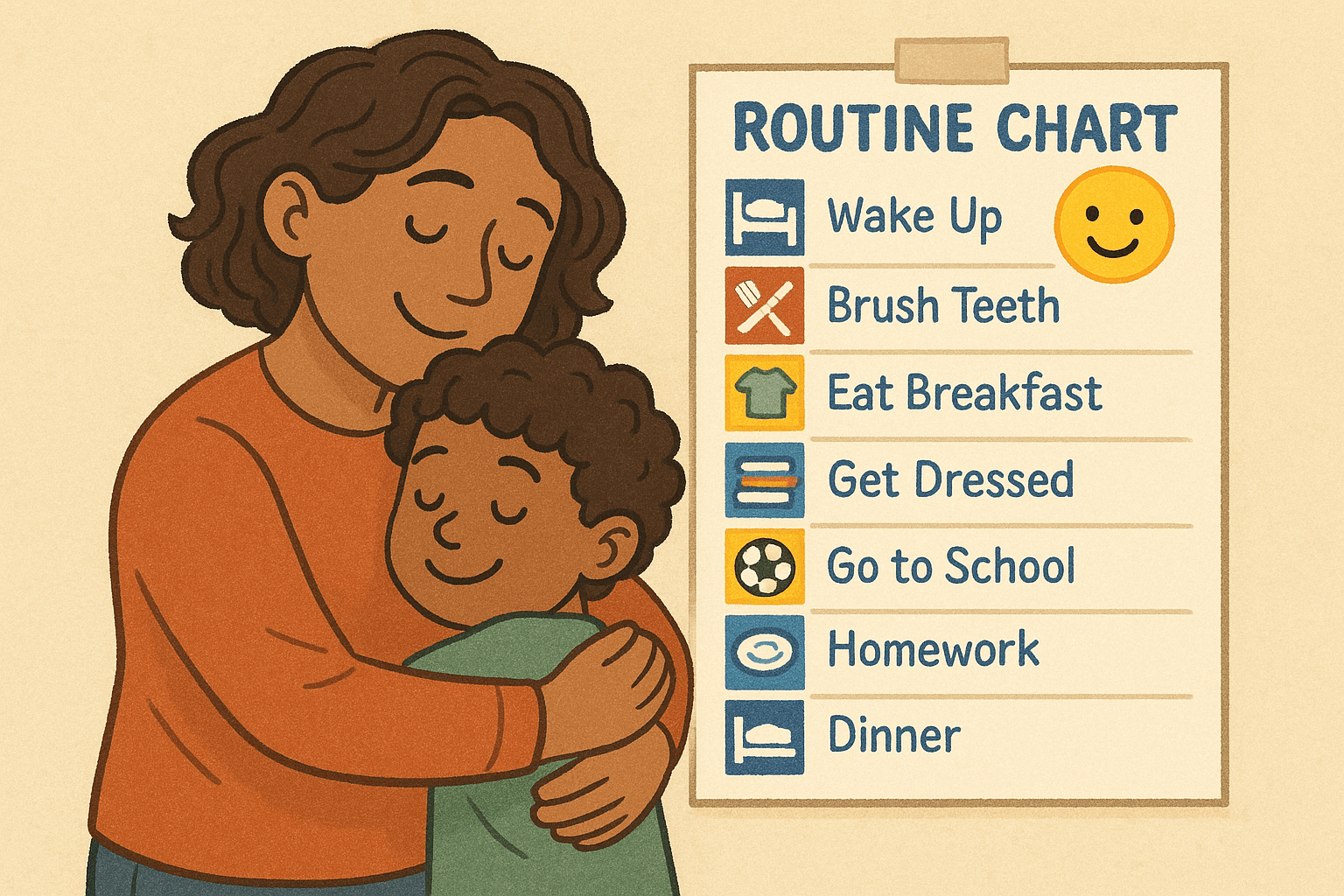
- Keep routines predictable for meals, sleep, and transitions.
- Give transition warnings (“5 minutes, then bath”).
- Offer limited choices (“Blue cup or green cup?”).
- Praise specific positive behavior (“You waited so patiently”).
- Build daily connection time (10–15 minutes of child-led play).
Consistency matters more than perfection.
FAQ
Q: Should I ignore tantrums completely?
Ignore attention-seeking behaviors when safe, but never ignore emotional distress. Stay present, calm, and boundaried.
Q: When should I seek professional help?
If tantrums are very intense, frequent, prolonged, or involve regular self-injury/aggression, discuss with a pediatrician or child psychologist.
Final thought
Your child does not need a perfect parent. They need a regulated, responsive adult who sets safe limits and teaches emotional skills over time. With patient repetition, tantrums usually reduce and self-regulation improves significantly in the preschool years.