More Than a Game: How Youth Soccer Builds Confident, Healthy Kids
Moving beyond wins and losses, discover how youth soccer fosters holistic development, from physical literacy to teamwork, and learn practical ways to support your child's journey on and off the pitch.
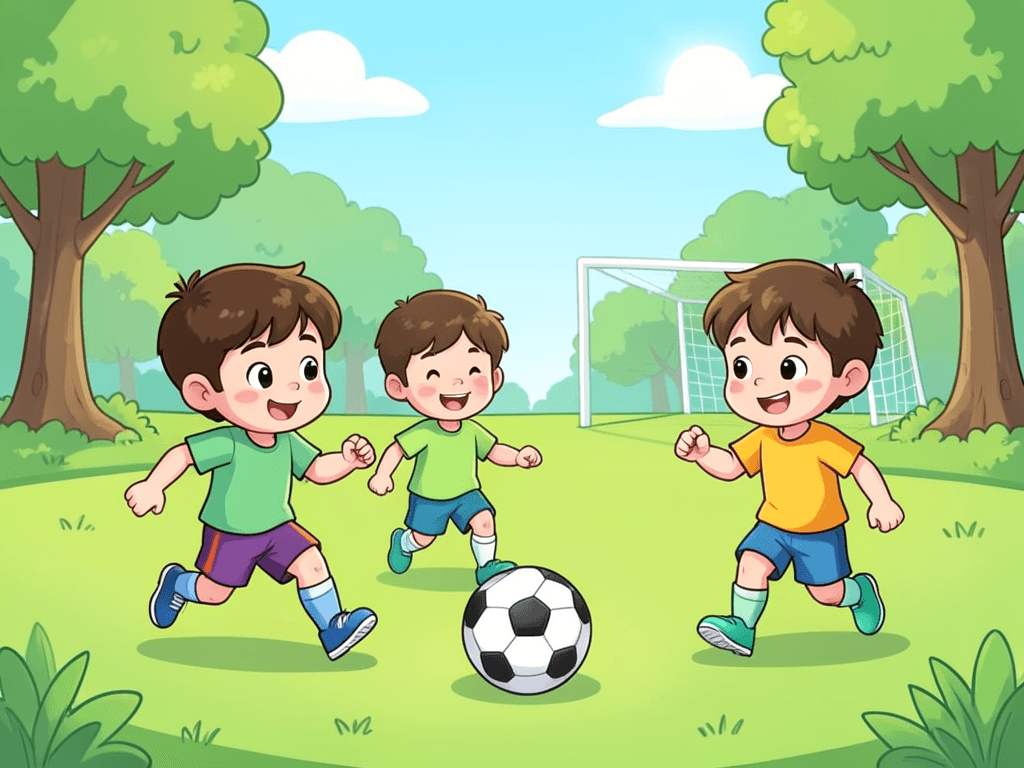
For many parents, the word "soccer" conjures images of weekend matches, muddy cleats, and the hope of spotting a spark of talent in their child. But what if we looked beyond the goalposts? Youth soccer, at its best, is a powerful developmental playground. It's where children learn to communicate without words, calculate physics intuitively as they judge a pass, and build resilience each time they get back up after a missed tackle. In the Indian context, where academic pressure often dominates childhood, soccer offers a vital counterbalance—a space for unstructured play, physical mastery, and social joy. This guide shifts the focus from producing the next star to nurturing a whole child through the beautiful game.
The Whole-Child Benefits: It's Not Just Fitness
While the physical advantages—improved coordination, cardiovascular health, and bone strength—are clear, the hidden curriculum of soccer is profound. The pitch is a social laboratory. Children learn non-verbal communication through eye contact and movement, experience shared purpose in teamwork, and manage the complex emotions of both victory and loss. Cognitive skills are quietly honed: strategic thinking, split-second decision-making, and spatial awareness. Perhaps most importantly, it builds *self-efficacy*—the belief that "I can handle this." This confidence, earned through physical effort and team contribution, often spills over into classroom bravery and social resilience.
Getting Started: Your First Steps as a Soccer Parent
Your initial role is not that of a coach or critic, but a facilitator and observer. Begin by gauging your child's interest without pressure. Visit a local park or academy for a casual look. Focus on fun introductory activities:
- Ages 4-6 (Foundation): Play "Red Light, Green Light" with a ball at their feet. Set up simple obstacle courses with cones. The goal is ball familiarity, not technique.
- Ages 7-9 (Discovery): Introduce passing against a wall, playful 1v1 games in the garden, and basic dribbling "missions." Join a community or school league that emphasizes participation over competition.
- Ages 10+ (Engagement): Support their interest in skill-specific practice, like aiming for a target or juggling. Help them find a coach or club that values development and positive reinforcement.
The essential first purchase is not an expensive kit, but a properly sized ball (Size 3 for under-8, Size 4 for 8-12, Size 5 for 12+) and comfortable, supportive shoes. For very young children, sturdy sports sandals or sneakers are perfectly fine.
Building a Supportive Home Environment
Your attitude at home sets the tone. Be a "process-praiser." Instead of "Great goal!" try "I loved how you kept trying to get open for that pass" or "Your defensive effort today was really consistent." This reinforces control, effort, and teamwork over outcomes. Create simple routines:
- Designate a "gear corner" for cleats, shin guards, and water bottles to foster responsibility.
- Watch a few minutes of a professional match together and ask open-ended questions: "What do you think that player is looking for before they pass?"
- After practice or a match, ask, "What was the most fun part today?" and "Did you help a teammate or did someone help you?" before diving into any analysis.
Consistency comes from linking soccer to family values—teamwork, perseverance, health—rather than treating it as an isolated extracurricular activity.
A Quick Weekly Plan for Balanced Development
Aim for a mix of structured and unstructured play, especially for younger children.
- Monday: Active rest. Free play—cycling, swimming, or just playing catch.
- Tuesday: Club/Team Practice.
- Wednesday: Skill play at home (15 mins). Practice dribbling through homemade cones (water bottles).
- Thursday: Strength & mobility. Animal walks (bear crawls, crab walks), simple bodyweight exercises.
- Friday: Team Practice or a friendly neighborhood kickabout.
- Saturday: Match Day.
- Sunday: Family time. A walk, hike, or a completely different, non-competitive game.
Navigating Challenges: Sideline Behavior and Pressure
The greatest threats to a child's sporting joy often come from the sidelines. Be mindful of:
- The Loudmouth Parent: Avoid constant instruction from the stands. It confuses children and undermines the coach. Your role is to cheer effort, not coach tactics.
- The Post-Match Inquisition: The car ride home should not be a debrief. Allow for quiet. Let your child lead any conversation about the game.
- Over-Scheduling: One team is enough. Children need downtime for creativity and recovery. Burnout is real and often stems from adult-driven schedules.
- Early Specialization: Pressuring a child under 12 to focus solely on soccer can lead to physical overuse injuries and mental fatigue. Multi-sport participation develops broader athleticism and prevents boredom.
What to Avoid: Common Pitfalls for Parents
1. Living Vicariously: Your child's soccer journey is theirs, not a redo of your own athletic dreams or regrets.
2. Critiquing the Coach in Front of Your Child: It erodes authority and confuses your child. Address concerns privately, if necessary.
3. Neglecting Hydration & Nutrition: Especially in India's heat, a reusable water bottle is non-negotiable. Offer wholesome pre-game snacks like a banana or a small *poha*, not heavy or sugary foods.
4. Ignoring Signs of Distress: A sudden desire to quit, anxiety before games, or physical complaints (like recurring knee pain) need empathetic conversation and, potentially, consultation with a coach or a child professional (like a counselor or physiotherapist). Do not dismiss these signs as mere laziness.
Age-Banded Insights: Evolving With Your Child
- Ages 4-7 (The Explorer): Goal is joy and movement. Use imaginative games ("kick the ball to rescue the treasure!"). Keep any "practice" under 20-30 minutes. Celebrate simply touching the ball.
- Ages 8-11 (The Learner): Skills and rules become engaging. They start to understand teamwork. Support technical practice but prioritize a positive team culture over league standings. Help them navigate social dynamics on the team.
- Ages 12+ (The Identifier): Soccer can become part of their identity. They may seek more rigorous training. Support their commitment by ensuring balance—protect time for academics, family, and other interests. Discuss sportsmanship and handling pressure maturely.
Frequently Asked Questions
Q1: My child isn't the most athletic or skilled. Should they still play?
Absolutely. Soccer is a vehicle for development, not just for the naturally gifted. The child who learns perseverance, finds their voice as a supportive teammate, and improves their own personal fitness gains immense, lifelong benefits. Find a club or program that values inclusion and personal growth over only winning.
Q2: How do we manage the time commitment, especially with academic pressure?
Frame soccer as a partner to academics, not an enemy. The physical activity, discipline, and break from screens can enhance focus and reduce stress. Use a family calendar to block time for studies, practice, and rest. Protect weekends for at least some unstructured family time. Quality of engagement matters more than quantity of hours.
Q3: What if my child wants to quit?
First, listen. Is it due to a fear of failure, a conflict with a teammate or coach, boredom, or simply a shift in interests? Encourage them to finish the current season as a commitment to their team. A break might be helpful. Sometimes, a change in team environment or age group can rekindle interest. Distinguish between quitting a difficult situation and quitting a genuine, long-held passion that's hit a rough patch.
Your Role Beyond the Pitch
Remember, you are raising a person, not a player. The ultimate goal is not a trophy or a scholarship, but a child who leaves the sport—whether at 12 or 22—with greater confidence, resilience, and fond memories. Be the parent who provides the steady, unconditional support that makes risk-taking and effort feel safe. That is the most valuable contribution you can make from the sidelines.
Ready to take the next step? This week, spend 15 minutes in the park or backyard with your child and a ball—with no instruction, no corrections, just play. Observe what they enjoy most. Let that joy be your guide.