Why “Gentle Parenting” Feels Like It’s Failing Some Families (And What Works Better in 2026)
Many parents are not failing—many are exhausted and using an incomplete version of gentle parenting. Here’s what current child-development evidence says about warmth, boundaries, emotional coaching, and practical routines that actually work in real homes.
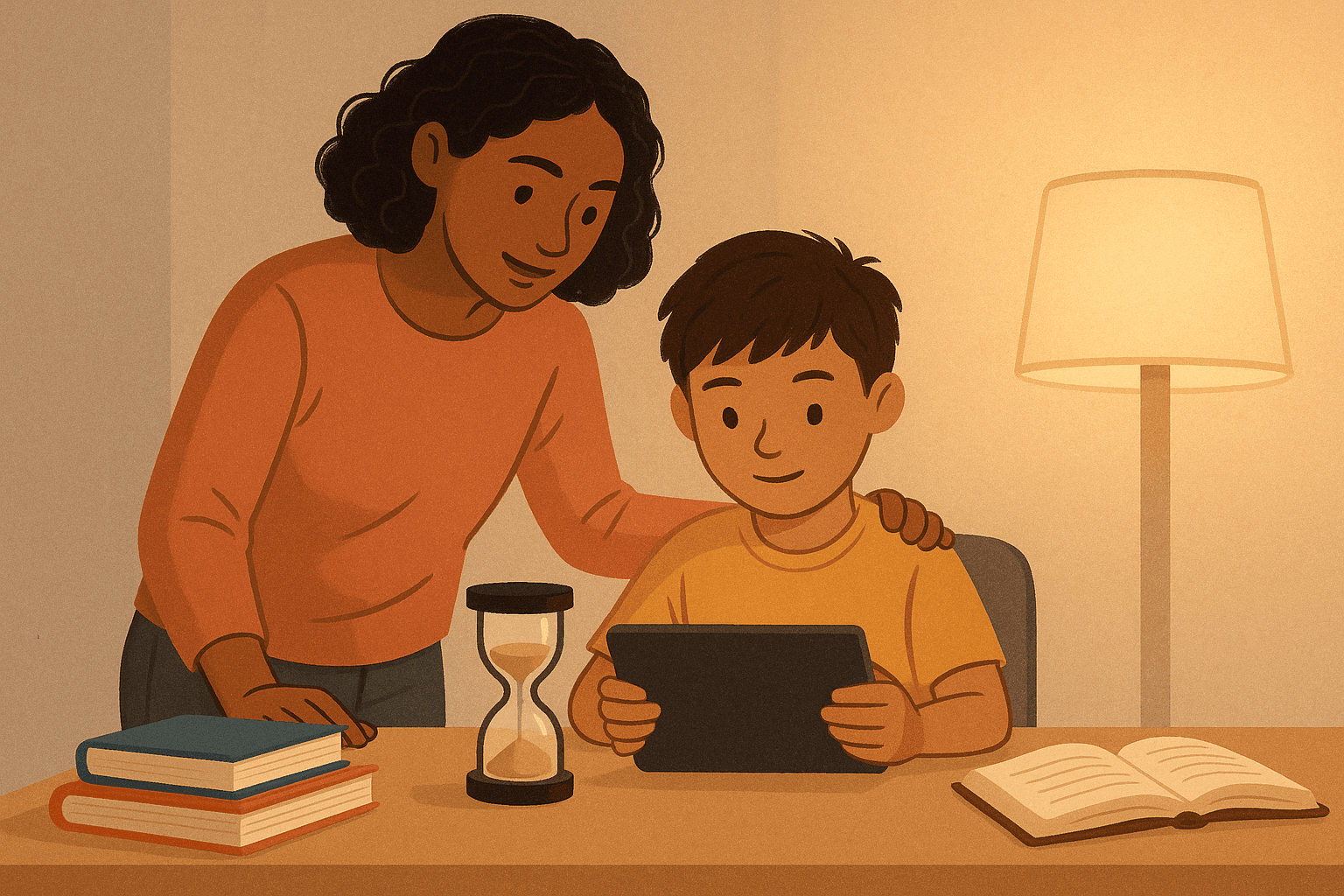
If you feel like gentle parenting "should" be working—but your home still feels chaotic—you are not alone.
In 2026, one of the biggest parenting misunderstandings is this: many families think gentle parenting means no consequences, no firm limits, and endless negotiation. That version often creates more stress for both parent and child.
The deeper truth from child-development research is more balanced: children do best with high warmth + clear structure. In classic parenting literature this is closest to the authoritative style (not authoritarian, and not permissive). It combines emotional connection with consistent boundaries.
So no, the problem is not kindness. The problem is when kindness is separated from leadership.
Why Gentle Parenting Feels Like It “Fails” in Real Life
1. Boundaries are too soft or inconsistent
Children need predictable limits to feel safe. If bedtime, screen time, and behavior expectations keep changing, children test more—not because they are "bad," but because their nervous system is trying to find where the edges are.
2. Parents are over-explaining in emotional moments
Reasoning is useful, but not during peak dysregulation. A child in meltdown is not ready for a long lesson. They need co-regulation first, then guidance.
3. Parents confuse empathy with agreement
You can validate feelings and still hold the limit:
- "I know you’re upset." ✅
- "And we’re still leaving now." ✅
4. No follow-through after warnings
When consequences are repeatedly threatened but not applied, children learn that parent words are optional.
5. Parent burnout
No method works when caregivers are depleted. Sleep debt, mental load, and constant decision fatigue make consistency nearly impossible.
What Actually Works Better in 2026: Connected Authority
A practical model many experts now call some version of connected authority looks like this:
1. Calm authority (parent leads, child is respected)
2. Emotion coaching (name feeling, guide behavior)
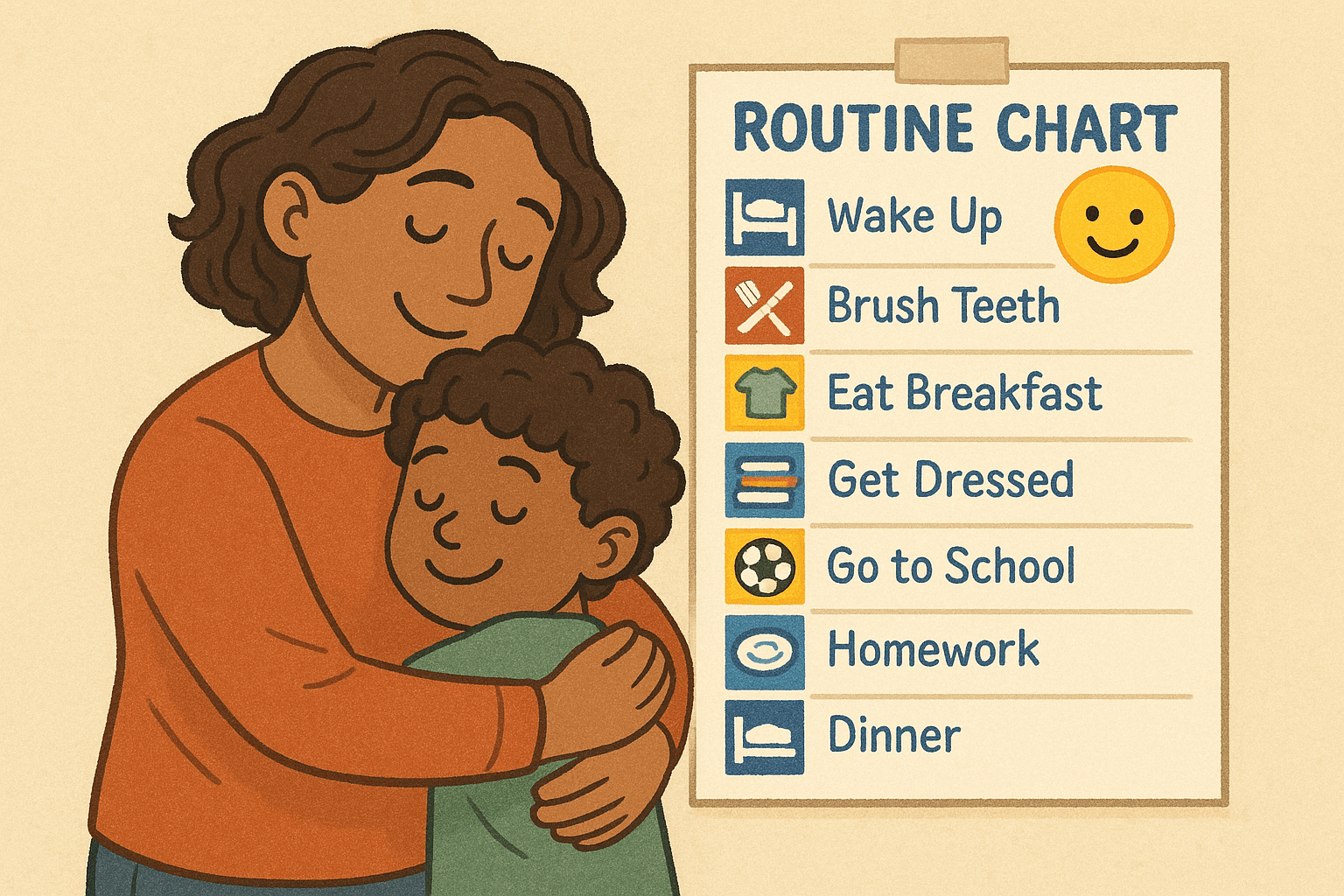
3. Predictable systems (routines, visual cues, simple rules)
4. Natural and logical consequences (short, fair, consistent)
5. Repair after conflict (relationship always comes back)
This is not harsh. It is warm, clear, and sustainable.
The 5 Non-Negotiables for Better Family Outcomes
1) Warmth Without Permission to Break Rules
Children should feel deeply loved—but not in charge of family structure.
Use this framework:
- Connect: "You really wanted more iPad time."
- Limit: "Screen time is finished for today."
- Redirect: "You can choose blocks or coloring now."
2) Fewer Rules, Better Enforced
Instead of 25 rules nobody remembers, use 4–6 high-impact family rules, such as:
- We speak respectfully.
- We keep hands to ourselves.
- We clean up before moving to a new activity.
- Bedtime routine starts at the same time daily.
3) Consequences That Teach (Not Shame)
Good consequences are:
- immediate,
- related to the behavior,
- brief,
- and consistent.
Examples:
- Throwing toy → toy is removed for a short time.
- Hitting sibling → immediate separation + repair practice.
- Refusing bedtime routine → next evening starts earlier with less choice.
4) Co-Regulation First, Correction Second
When a child is flooded emotionally:
- lower your voice,
- reduce words,
- regulate your own body first,
- then coach once calm returns.
A short script:
"I’m here. Big feelings. Breathe with me."
(After calm)
"Hitting is not okay. Next time, say ‘help’ or stomp feet instead."
5) Repair Is a Superpower
Even excellent parents lose patience.
The strongest families repair quickly:
"I shouted. That wasn’t okay. I’m sorry. Let’s try again."
Repair teaches accountability and emotional safety better than perfection ever can.
Age-Specific Guidance (Because One Size Never Fits All)
Toddlers (2–4)
- Keep language short.
- Use visual routines.
- Expect repetition.
- Prioritize transitions (snack, sleep, movement).
Early school age (5–8)
- Add simple problem-solving:
"What’s your plan for cleanup in 5 minutes?"
- Use checklists and predictable rewards.
- Practice emotional vocabulary daily.
Tweens (9–12)
- Use collaborative boundaries:
"You can choose when homework starts, but it must be done by 7 PM."
- Keep digital limits explicit and written.
- Maintain warmth while increasing responsibility.
What to Stop Doing This Week
- Stop negotiating every limit.
- Stop giving 7 warnings before action.
- Stop long lectures in meltdown moments.
- Stop interpreting all misbehavior as disrespect.
- Stop expecting yourself to be calm 100% of the time.
What to Start Doing This Week
- Create one consistent evening routine.
- Choose 3 phrases you’ll repeat calmly.
- Enforce one consequence consistently for 7 days.
- Build one 10-minute daily connection ritual with your child.
- Plan your own reset routine (sleep, support, break windows).
High-Conversion Script Bank for Real Homes
Limit script
"I won’t let you hit. I’ll help you move your body safely."
Transition script
"In 5 minutes we clean up. Do you want to start with books or blocks?"
Defiance script
"You don’t have to like this rule. You do have to follow it."
Repair script
"We both had a hard moment. Let’s reset and try again."
The Bottom Line
Gentle parenting is not broken. But boundary-free gentle parenting is.
What works better in 2026 is a stronger blend:
- empathy + structure,
- warmth + limits,
- validation + leadership.
When children know you are both loving and consistent, they usually become more secure, more cooperative, and more emotionally resilient over time.
And if things feel messy right now? That doesn’t mean you are failing. It means your family needs a clearer system—not a harsher parent.